
- Home
- Services
- EPOXY FLOORING
- POLYURETHANE FLOORING
- DI-ELECRIC FLOORING
- ANTI-STATIC EPOXY FLOORING
- ESD FLOORING
- ACCESS FLOORS
- CAR PARK DECK FLOORING
- CLEAN ROOM FLOORING
- HEAVY DUTY EPOXY FLOORING
- HYGIENE FLOORING
- SELF LEVELLING EPOXY FLOORING
- COLD STORAGE FLOORING
- ACID RESISTANCE FLOORING
- CAR PARK COATING
- EXPANSION JOINTS
- Projects
- Blog
- About Us
- Contact
Applications of Hygiene Epoxy Flooring in the Food Industry
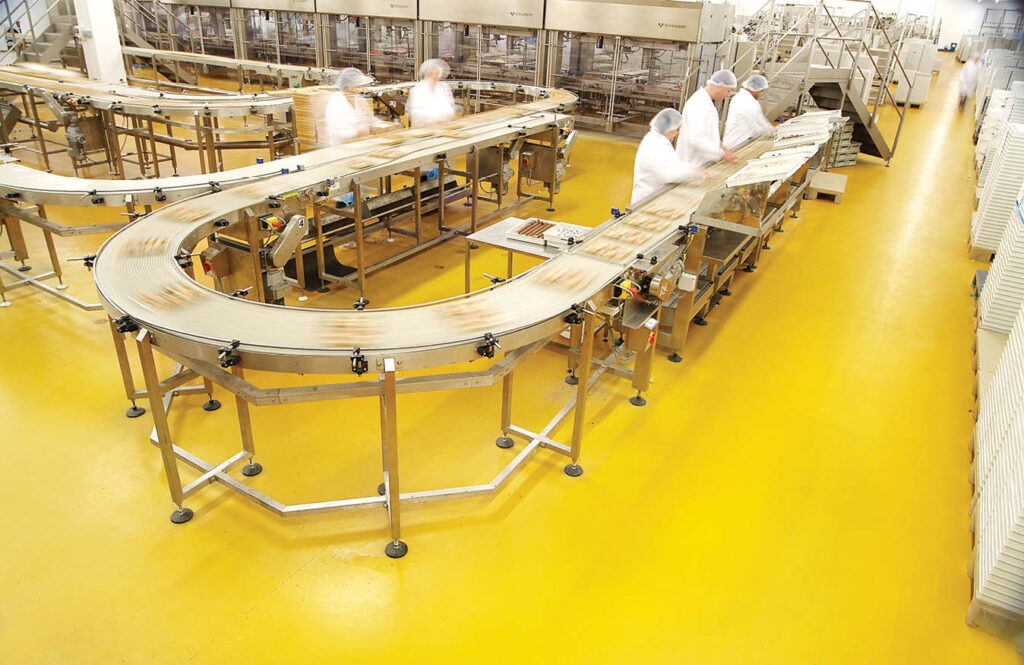
Hygiene Epoxy Flooring in the Food Industry
Hygiene epoxy flooring finds extensive applications across various sectors of the food industry, primarily due to its exceptional hygiene properties and durability. In food processing facilities, where stringent cleanliness standards are crucial, hygiene epoxy flooring is preferred for its seamless and impermeable surface. This feature prevents the accumulation of dirt, food particles, and liquids, thereby minimizing the risk of bacterial growth and contamination. The smooth surface also facilitates easy cleaning and sanitation procedures, ensuring that food processing areas remain hygienic and compliant with regulatory requirements such as HACCP (Hazard Analysis Critical Control Points).
Commercial kitchens also benefit significantly from hygiene epoxy flooring. These environments are prone to spills, grease, and heavy foot traffic, making durability and cleanliness essential. Hygiene epoxy flooring’s resistance to stains and chemicals allows for quick cleanup of spills and ensures the floor remains in optimal condition despite frequent use. Moreover, its seamless installation prevents grout lines or seams where bacteria could potentially accumulate, further enhancing food safety measures in kitchen operations.
In storage and warehousing areas within the food industry, hygiene epoxy flooring provides a reliable solution for maintaining hygiene standards. These areas often store raw ingredients, packaging materials, and finished products, necessitating floors that can withstand heavy loads and maintain cleanliness. Hygiene epoxy flooring’s resistance to moisture and its ability to withstand temperature changes make it suitable for cold storage rooms and other controlled environments where maintaining consistent hygiene is critical to preventing contamination.
Additionally, hygiene epoxy flooring is beneficial in cooling rooms and freezers where maintaining cleanliness and temperature control are paramount. Its seamless and non-porous surface prevents moisture buildup and microbial growth, ensuring that stored foods remain safe and hygienic throughout their storage period.
The applications of hygiene epoxy flooring in the food industry extend across food processing, commercial kitchens, storage areas, and specialized environments like cooling rooms. By providing a durable, hygienic, and easy-to-maintain flooring solution, hygiene epoxy flooring supports food safety efforts and helps food establishments comply with strict hygiene regulations.
Advantages of Hygiene Epoxy Flooring in the Food Industry:
Hygiene epoxy flooring offers several advantages in the food industry, making it a preferred choice for ensuring cleanliness, safety, and operational efficiency in various food processing and preparation environments.
Firstly, hygiene epoxy flooring is renowned for its seamless and impermeable surface. Unlike traditional flooring materials that have grout lines or seams where bacteria can accumulate, epoxy flooring provides a smooth and continuous surface. This seamless nature prevents dirt, bacteria, and food particles from getting trapped, facilitating easier and more effective cleaning processes. This not only enhances hygiene standards but also reduces the risk of cross-contamination, thereby promoting food safety.
Secondly, epoxy flooring is highly resistant to chemicals, stains, and moisture. In food processing areas where spills of oils, acids, or cleaning agents are common, epoxy flooring withstands these substances without sustaining damage. This durability ensures that the flooring maintains its integrity over time, minimizing the need for frequent repairs or replacements. Such resistance also contributes to maintaining a hygienic environment by preventing the absorption of liquids and odors that can harbor bacteria.
Additionally, hygiene epoxy flooring is known for its durability and long lifespan. It can withstand heavy foot traffic, impact from equipment, and thermal shock from hot or cold conditions without cracking or deteriorating. This resilience makes epoxy flooring a cost-effective investment for food establishments, as it reduces maintenance costs and downtime associated with flooring repairs or replacements.
Furthermore, epoxy flooring options often include anti-slip properties, which are essential for safety in wet or greasy environments commonly found in commercial kitchens and food processing areas. These anti-slip additives or textures enhance traction underfoot, reducing the risk of slips and falls among workers, thus contributing to overall workplace safety.
Moreover, epoxy flooring is available in a variety of colors, finishes, and textures, allowing food establishments to customize their flooring to match aesthetic preferences and functional requirements. This versatility not only enhances the visual appeal of the workspace but also supports organizational branding efforts.
In summary, the advantages of hygiene epoxy flooring in the food industry are multifaceted. From enhancing cleanliness and safety to offering durability and customization options, epoxy flooring plays a crucial role in maintaining high standards of hygiene, safety, and operational efficiency in food processing and preparation environments.
Disadvantages of not using Hygiene Epoxy Flooring in the Food Industry:
Not using hygiene epoxy flooring in the food industry can lead to significant disadvantages, primarily affecting cleanliness, safety, and regulatory compliance. Traditional flooring materials, such as tiles with grout lines or untreated concrete, lack the seamless and impermeable surface of epoxy flooring. This makes them prone to accumulating dirt, bacteria, and food residues in hard-to-clean crevices. Over time, these materials can harbor pathogens, increasing the risk of contamination and foodborne illnesses.
Moreover, traditional flooring options are less resistant to chemicals and cleaning agents commonly used in food processing environments. They may degrade faster under these conditions, leading to cracks, chips, and uneven surfaces. These damaged areas are difficult to clean thoroughly, providing breeding grounds for bacteria and compromising overall hygiene standards. As a result, maintaining cleanliness becomes more challenging and time-consuming, potentially causing regulatory non-compliance and food safety issues.
Inadequate flooring materials also pose safety risks in food processing areas. Floors that are not properly sealed or resistant to moisture can become slippery when wet, increasing the likelihood of slips, trips, and falls among workers. This not only jeopardizes employee safety but also disrupts operations and productivity in food facilities. Additionally, damaged flooring can create uneven surfaces that may contribute to accidents and injuries, further highlighting the importance of using durable and safety-focused flooring solutions like hygiene epoxy flooring.
Furthermore, the lack of hygiene epoxy flooring can impact the overall reputation and trustworthiness of food establishments. Consumers expect food providers to uphold stringent hygiene standards to ensure the safety and quality of the products they consume. Any compromise in cleanliness due to inadequate flooring can lead to negative perceptions among customers and potential loss of business. In today’s competitive food industry, maintaining a pristine and hygienic environment is crucial for attracting and retaining loyal patrons.
In conclusion, the disadvantages of not using hygiene epoxy flooring in the food industry are multifaceted. From increased risks of bacterial contamination and regulatory non-compliance to safety hazards and potential damage to reputation, choosing traditional flooring options over epoxy can have detrimental effects on both operational efficiency and consumer trust. Investing in hygiene epoxy flooring not only enhances cleanliness and safety but also reinforces the credibility and longevity of food businesses in a competitive market landscape.
Have Any Question?
- +91 9962699888
- Sales@Chemcoats.com

- 19/10, Rangarajapuram 3rd Street, Netaji Nagar, West Jafferkhanpet, Chennai, Tamil Nadu 600083
- Sales@Chemcoats.com
- +91 9962699888