If you’ve ever walked into a food processing plant right after a hot washdown, you’ll understand something immediately — not every floor can survive that environment.
Boiling water.
Strong cleaning chemicals.
Heavy equipment rolling nonstop.
Temperature swings from steam to cold storage.
Standard epoxy flooring looks great on day one. But in aggressive industrial settings, it can struggle over time. That’s exactly where cementitious urethane flooring steps in.
And once you understand how it works, you’ll see why many facilities quietly prefer it over traditional systems.
First, what is cementitious urethane?
Despite the technical name, the idea is simple.
Cementitious urethane is a hybrid flooring system. It combines:
- Urethane resin
- Cement
- Water
- Special aggregates
This combination creates a flooring material that behaves differently from standard epoxy.
The key difference?
It expands and contracts at a rate very similar to concrete.
That might sound like a small detail — but in industrial environments, it makes a huge difference.
The Real Problem in Industrial Floors
Let’s talk about what usually causes floor failures.
It’s rarely just “wear and tear”.
More often, it’s stress from:
- Rapid temperature changes
- Thermal shock (hot water on cold floors)
- Chemical exposure
- Constant moisture
- Heavy impact
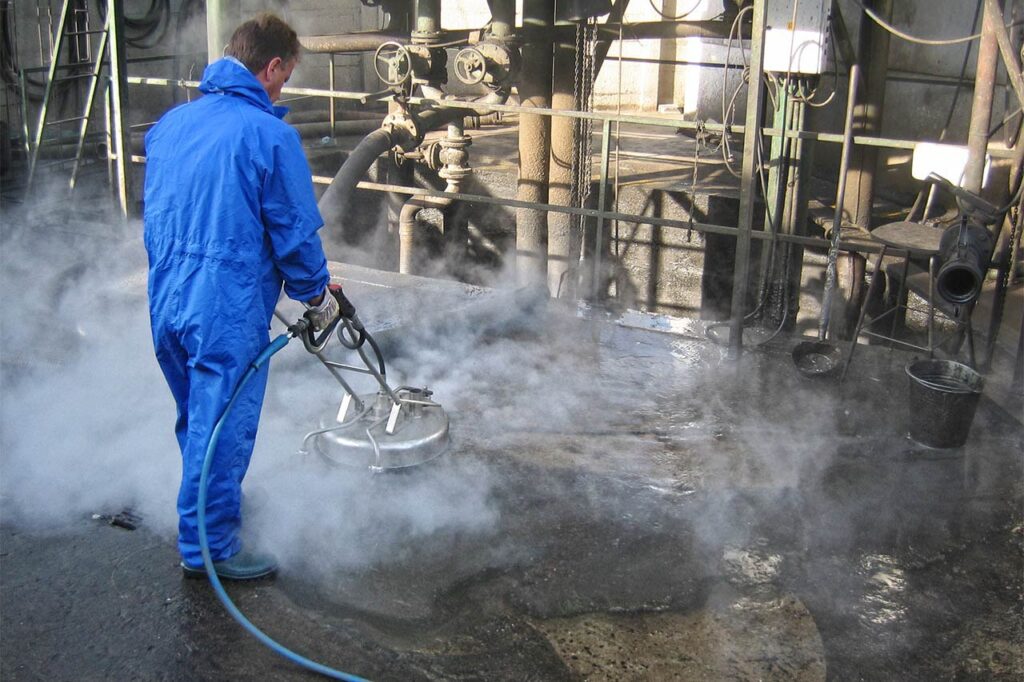
Epoxy systems can be strong, but they are rigid. When exposed to sudden temperature shifts — like steam cleaning followed by cooling — the bond between epoxy and concrete can weaken over time.
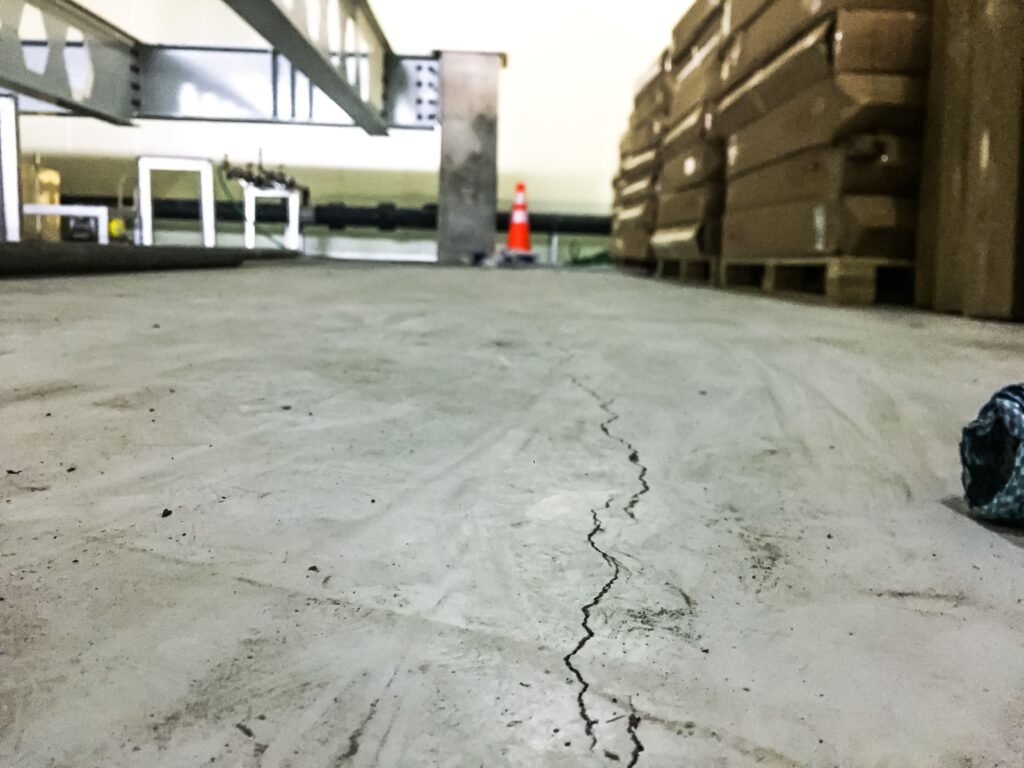
This is when you start seeing:
- Cracking
- Peeling
- Delamination
- Bubbling
And once flooring begins to fail, repairs become disruptive and expensive.
Why Cementitious Urethane Handles It Better
Cementitious urethane has a more forgiving structure.
Because its thermal expansion rate is close to concrete, it moves with the substrate instead of fighting against it.
Imagine two materials bonded together. If one expands faster than the other, stress builds up. Over time, that stress breaks the bond.
Cementitious urethane reduces that stress.
That’s why it performs exceptionally well in:
- Food and beverage plants
- Dairy processing facilities
- Commercial kitchens
- Breweries
- Pharmaceutical manufacturing
- Cold storage units
These are environments where hot water washdowns are routine — not occasional.
Thermal Shock Resistance — The Major Advantage
One of the strongest reasons facilities choose cementitious urethane is thermal shock resistance.
For example:
A floor inside a freezer room may operate at low temperatures. Then during cleaning, it may be exposed to very hot water or steam.
Most flooring systems don’t like that sudden shift.
Cementitious urethane is designed to tolerate it.
That’s why you’ll often see it specified in processing areas where hygiene standards require aggressive sanitation procedures.
Chemical Resistance in Real Terms
Industrial floors are not just exposed to water. They deal with:
- Organic acids
- Sugars
- Oils
- Cleaning agents
- Animal fats
- Mild solvents
Over time, these substances can attack unprotected concrete, causing erosion and surface breakdown.
Cementitious urethane creates a dense, seamless barrier. It prevents chemicals from penetrating into the concrete slab.
This doesn’t mean it’s indestructible — no floor is. But it significantly reduces long-term structural damage.
Moisture Tolerance — A Hidden Benefit
One common challenge in industrial flooring is moisture vapour transmission from concrete slabs.
Concrete naturally contains moisture. In some cases, especially in older buildings, vapour pressure can cause coating systems to blister.
Cementitious urethane is more tolerant of moisture compared to many traditional epoxy systems.
That doesn’t eliminate the need for proper testing — but it provides more flexibility during installation.
For facilities operating 24/7, that flexibility can save time and downtime.
Thickness Matters
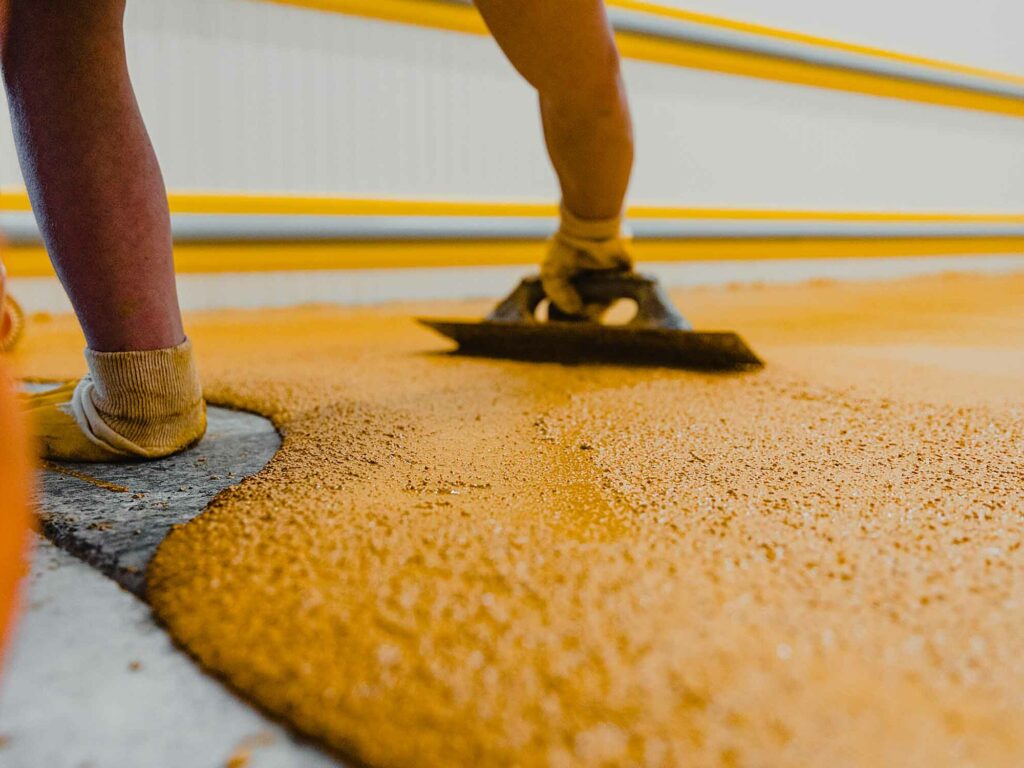
Unlike thin coatings, cementitious urethane systems are usually installed at greater thicknesses — often between 4 mm and 9 mm depending on application.
Thicker systems provide:
- Higher impact resistance
- Better durability under heavy loads
- Longer service life
In environments with forklift traffic or dropped tools, this additional thickness becomes practical insurance.
Hygiene and Seamless Finish
In the food and pharmaceutical industries, hygiene is non-negotiable.
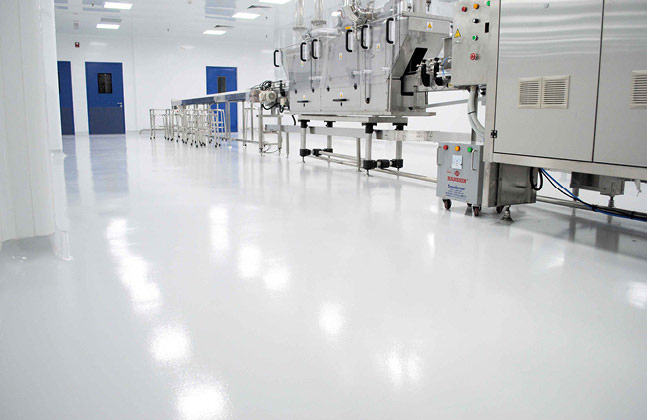
Cementitious urethane flooring is seamless. There are no grout lines or joints where bacteria can accumulate.
It can also be installed with coving — where the floor curves up into the wall — eliminating hard corners.
This makes cleaning more effective and supports compliance with hygiene regulations.
Is It Always the Best Choice?
Not necessarily.
Cementitious urethane is ideal for harsh, wet, temperature-sensitive environments. But for light-duty commercial spaces, it may be more than necessary.
It also has a more industrial appearance compared to decorative epoxy or polyurethane finishes.
Choosing the right system always depends on the operational conditions.
Lifespan and Long-Term Value
When properly installed and maintained, cementitious urethane floors can last 10–20 years in demanding environments.
That longevity is why many plant managers consider it an infrastructure investment rather than just a surface upgrade.
Instead of repairing flooring every few years, they install a system designed for punishment from day one.
Final Thoughts
Cementitious urethane flooring isn’t about aesthetics.
It’s about survival.
If your facility deals with heat, moisture, heavy traffic, and aggressive cleaning routines, this system deserves serious consideration.
The real question isn’t whether it’s strong.
The real question is whether your current floor is strong enough for what your operations demand every day.