
- Home
- Services
- EPOXY FLOORING
- POLYURETHANE FLOORING
- DI-ELECRIC FLOORING
- ANTI-STATIC EPOXY FLOORING
- ESD FLOORING
- ACCESS FLOORS
- CAR PARK DECK FLOORING
- CLEAN ROOM FLOORING
- HEAVY DUTY EPOXY FLOORING
- HYGIENE FLOORING
- SELF LEVELLING EPOXY FLOORING
- COLD STORAGE FLOORING
- ACID RESISTANCE FLOORING
- CAR PARK COATING
- EXPANSION JOINTS
- Projects
- Blog
- About Us
- Contact
What Is Clean Room Flooring and Why Is It Important?
Introduction
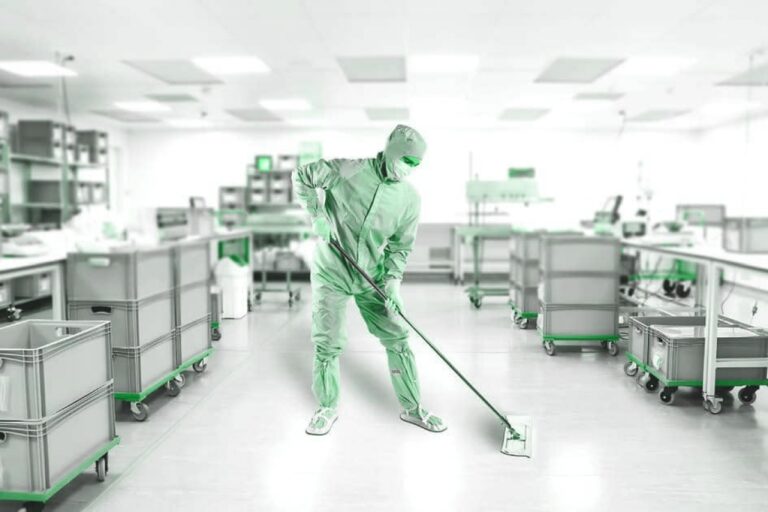
Clean room flooring is an essential part of facilities that need to follow strict hygiene and contamination control. Such specialized flooring is widely applied across industries such as pharmaceutical, electronics, biotechnology, and healthcare—where even the smallest contaminate particles could cause disruptions or jeopardize product quality. In this blog, we delve into what clean room flooring is, its distinguishing features, and why it is vital for Indian industries operating under regulated, controlled environments.
What Is Clean Room Flooring?
Clean room flooring is used in controlled environments where sterility, cleanliness, and dust control are essential. Clean room floors differ from normal floors in that they have to be non-porous, seamless, and resistant to microbial and chemical contamination.
Typical materials utilized: – Epoxy-based floor systems – Polyurethane floor systems – Vinyl or PVC tiles (utilized in certain ISO classifications)
These materials are chosen for their capacity to withstand environments with ISO grades between ISO 5 and ISO 9, based on the industry and process type.
Why Clean Room Flooring Is Important
1. Contamination Control
Clean rooms are areas that need the removal or suppression of dust, microbes, and other airborne contaminants. Floors should not create dust and should prevent particles from accumulating in cracks or pores.
2. Adherence to Standards
Facilities adhering to standards such as ISO 14644, WHO GMP, or NABL accreditation require floors that support the overall particulate control plan of the clean room.
3. Chemical and Cleaning Agent Resistance
Repetition of cleaning with alcohols, disinfectants, and solvents is common in clean rooms. Flooring systems are required to resist degradation as a result of such chemicals.
4. Smooth, Seamless Appearance
Smooth floors minimize the possibility of bacteria finding habitat in joints and crevices. This also simplifies cleaning and hastens it.
5. Accommodation of Operational Needs
Based on the industry, the flooring could also be required to provide thermal resistance, load-bearing, or resistance against electrostatic discharge (for the electronics and defense industries).
Attributes of Clean Room Flooring
- Non-porous finish: Avoids liquid absorption
- Seamless installation: No tile lines or joints to harbor dirt
- Chemical resistance: Resists frequent cleaning
- Low VOC emissions: Facilitates indoor air quality compliance
- Scratch and impact resistance: For locations with equipment and traffic
Typical Clean Room Flooring Types used in Indian Industries
Epoxy Flooring
- Wear and tear resistant and extremely resistant to most cleaning chemicals
- Available in high-gloss finishes that enhance visibility
- Can be rendered anti-static if necessary
Polyurethane Flooring
- Flexible and adaptable to areas exposed to thermal shock
- Applied in food, beverage, and pharmaceutical clean rooms
ESD Epoxy Flooring
- Necessary for electronics, semiconductor, and aerospace industries
- Controls the accumulation and release of static electricity
Vinyl and PVC Tiles
- Modular solution applied for particular ISO class requirements
- Need for safe joint sealing to be able to sustain levels of hygiene
Industry Use Cases in India
Clean room floors are applied in: – Pharmaceutical formulation facilities (according to Schedule M rules) – Biotech research facilities – Hospitals and clean surgical areas – Electronic and semiconductor manufacturing facilities – Medical device manufacturing facilities – Defense facilities and aerospace component assembly lines
All these industries work in strict cleanliness regulations that govern floor performance and longevity.
Expectations for Maintenance
- Regular mopping with authorized disinfectants
- Periodic examination for surface delamination or cracks
- Foot traffic-based reapplication or recoating schedules
- Avoidance of point loads or dragging of sharp devices
Keeping flooring as per SOPs is necessary to maintain compliance in the long term.
Conclusion
Clean room flooring plays a functional function in air quality maintenance and sterilization supportprotocols, and regulatory compliance. For Indian businesses in regulated industries, the appropriate floor covering is equally important in contributing to operational effectiveness as well as assurance of quality. Its characteristics—seamless, chemical-resistant, and easy to disinfect—make it a necessity in every regulated environment.The requirements of your particular industry and clean room classification will direct the proper selection of material and finishes.
Have Any Question?
- +91 9962699888
- Sales@Chemcoats.com

- 19/10, Rangarajapuram 3rd Street, Netaji Nagar, West Jafferkhanpet, Chennai, Tamil Nadu 600083
- Sales@Chemcoats.com
- +91 9962699888