Static Electricity in Industrial Facilities : Why ESD Flooring Is More Important Than You Think
Most facility managers don’t wake up thinking about static electricity.
They think about production targets. Machine uptime. Safety audits. Delivery deadlines.
Static? That feels like a small issue. The kind of thing that gives you a mild shock when you touch a metal railing.
But in certain industries, static electricity isn’t small at all. It’s unpredictable, difficult to trace, and capable of creating problems that don’t show up immediately.
That’s exactly why ESD flooring exists.
And more importantly — why some facilities genuinely need it, while others don’t even realise they should be considering it.
The Problem with Static Is That You Don’t See the Damage
In a manufacturing environment, static builds up constantly.
- Someone walks across the floor.
- Plastic packaging moves across a table.
- Carts roll from one section to another.
- Conveyor belts run continuously.
Every bit of friction creates electrical charge.
Now here’s the part most people don’t realise: a person usually won’t feel static discharge until it reaches a few thousand volts.
Sensitive electronic components, on the other hand, can be damaged at levels far lower than that.
So the damage happens quietly.
There’s no dramatic spark. No loud pop. No visible sign.
Just a circuit that doesn’t last as long as it should. A component that fails earlier than expected. A product that works today but returns under warranty next month.
And because the failure doesn’t happen immediately, static often isn’t the first thing anyone suspects.

Why Concrete Floors Aren’t a Reliable Solution
It’s common to hear, “But our floor is concrete. Isn’t that grounded?”
Technically, concrete can conduct electricity — sometimes.
The problem is consistency.
Concrete’s conductivity depends on moisture levels. On a humid day, it may allow charge to move more easily. On a dry day, especially in air-conditioned environments, resistance increases and static builds up.
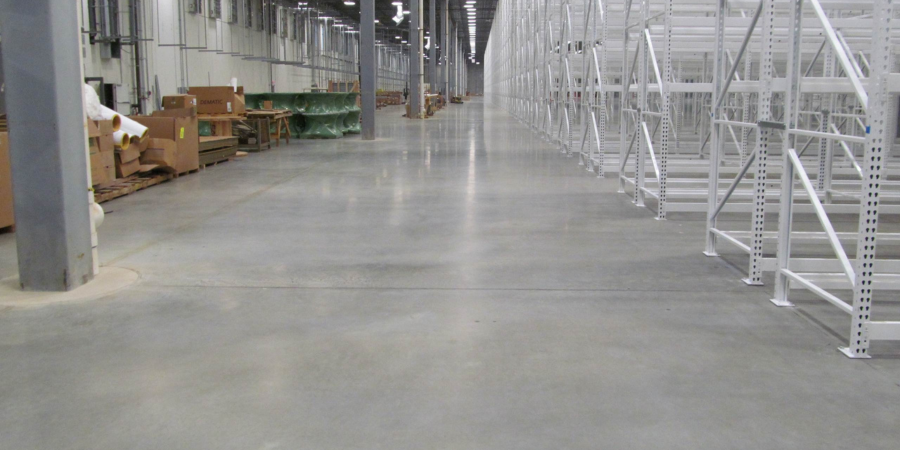
Add surface sealers, coatings, or dust accumulation, and that conductivity becomes even less predictable.
In industries where precision matters, unpredictability is the real risk.
You don’t want a flooring system that works only when the weather cooperates.
What ESD Flooring Actually Does (In Simple Terms)
ESD flooring doesn’t “stop” static electricity.
It controls it.
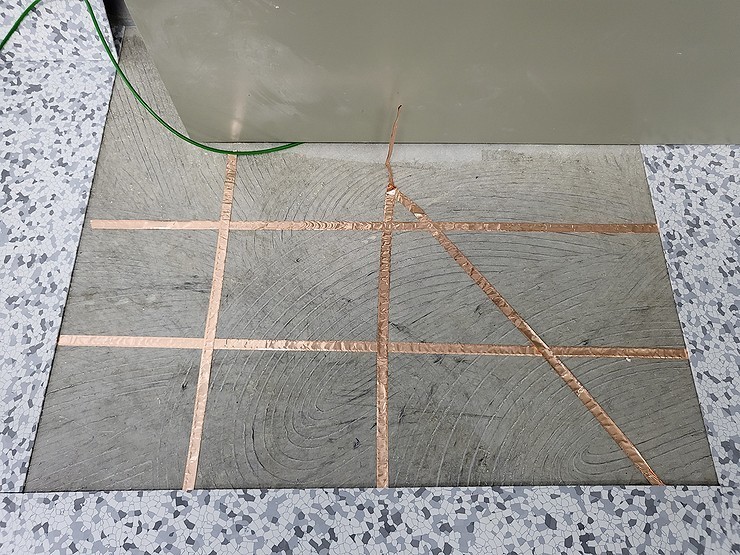
Instead of allowing electrical charge to accumulate and discharge suddenly, the flooring provides a controlled path for that charge to move safely into the building’s grounding system.
Think of it like this:
Rainwater isn’t the problem. Flooding is.
When you build proper drainage, water flows where it’s supposed to go. Static electricity works the same way. If it has a safe path, it doesn’t create sudden problems.
A properly installed ESD system includes conductive materials within the floor and grounding connections beneath it. The goal is balance — not too fast, not too slow — just controlled movement of electrical charge.
And that balance is what protects sensitive equipment.
Where This Really Matters
Not every facility needs ESD flooring.
If you’re operating a storage warehouse for non-sensitive goods, static probably isn’t a major concern.
But if you’re working in:
- Electronics assembly
- PCB manufacturing
- Data centers
- Pharmaceutical production
- Aerospace components
- Battery manufacturing
- Chemical environments with flammable vapors
Then static becomes more than a minor issue.

In electronics manufacturing, even small discharges can shorten the lifespan of components.
In chemical environments, an uncontrolled spark can become a safety hazard under the wrong conditions.
Different industries face different risks — but in both cases, control is critical.
The Financial Side No One Talks About
Static-related damage is expensive — but rarely obvious.
You might see:
- Increased defect rates
- Unexplained electronic failures
- Higher return percentages
- Shortened equipment lifespan
And teams may spend months investigating machinery, materials, or operator error before someone considers static discharge.
By that time, the cost has already accumulated.
Installing ESD flooring isn’t just about safety compliance. It’s about reducing hidden losses.
Installation Quality Is Everything
Here’s something that often gets overlooked:
Even good ESD material won’t work if it’s installed poorly.
The concrete surface must be properly prepared. Moisture levels must be checked. Grounding strips must be positioned correctly. Connections must be verified.
After installation, resistance testing confirms whether the system performs within the required range.
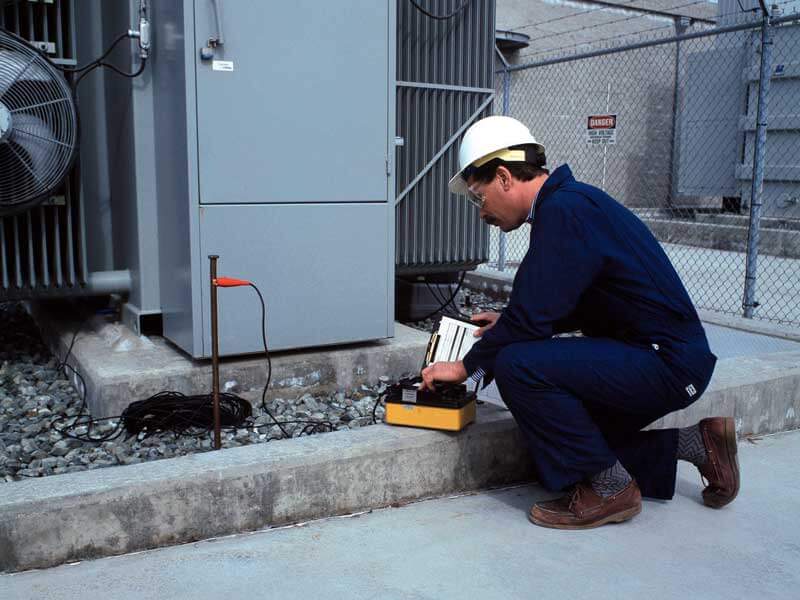
Without testing, there’s no real proof it’s functioning as intended.
And in regulated industries, documentation matters as much as performance.
When Should You Actually Consider It?
You should seriously evaluate ESD flooring if:
- You handle sensitive electronic components
- You operate in low-humidity environments
- You store or process flammable materials
- You’ve experienced unexplained technical failures
- You’re required to meet static-control standards
The first step isn’t installation. It’s testing.
Measure your current floor’s resistance. Understand your risk level. Then make a decision based on data, not assumptions.
Final Perspective
Static electricity isn’t dramatic. It doesn’t announce itself. It doesn’t shut down your facility in obvious ways.
It works quietly.
And that’s why it’s easy to ignore — until the costs start showing up in places you didn’t expect.
ESD flooring isn’t about adding sophistication to your building.
It’s about removing a variable that can quietly affect quality, safety, and long-term reliability.
In environments where precision matters, controlling what happens at ground level can make a measurable difference.