
- Home
- Services
- EPOXY FLOORING
- POLYURETHANE FLOORING
- DI-ELECRIC FLOORING
- ANTI-STATIC EPOXY FLOORING
- ESD FLOORING
- ACCESS FLOORS
- CAR PARK DECK FLOORING
- CLEAN ROOM FLOORING
- HEAVY DUTY EPOXY FLOORING
- HYGIENE FLOORING
- SELF LEVELLING EPOXY FLOORING
- COLD STORAGE FLOORING
- ACID RESISTANCE FLOORING
- CAR PARK COATING
- EXPANSION JOINTS
- Projects
- Blog
- About Us
- Contact
What are the differences between epoxy and polyurethane floor coatings?
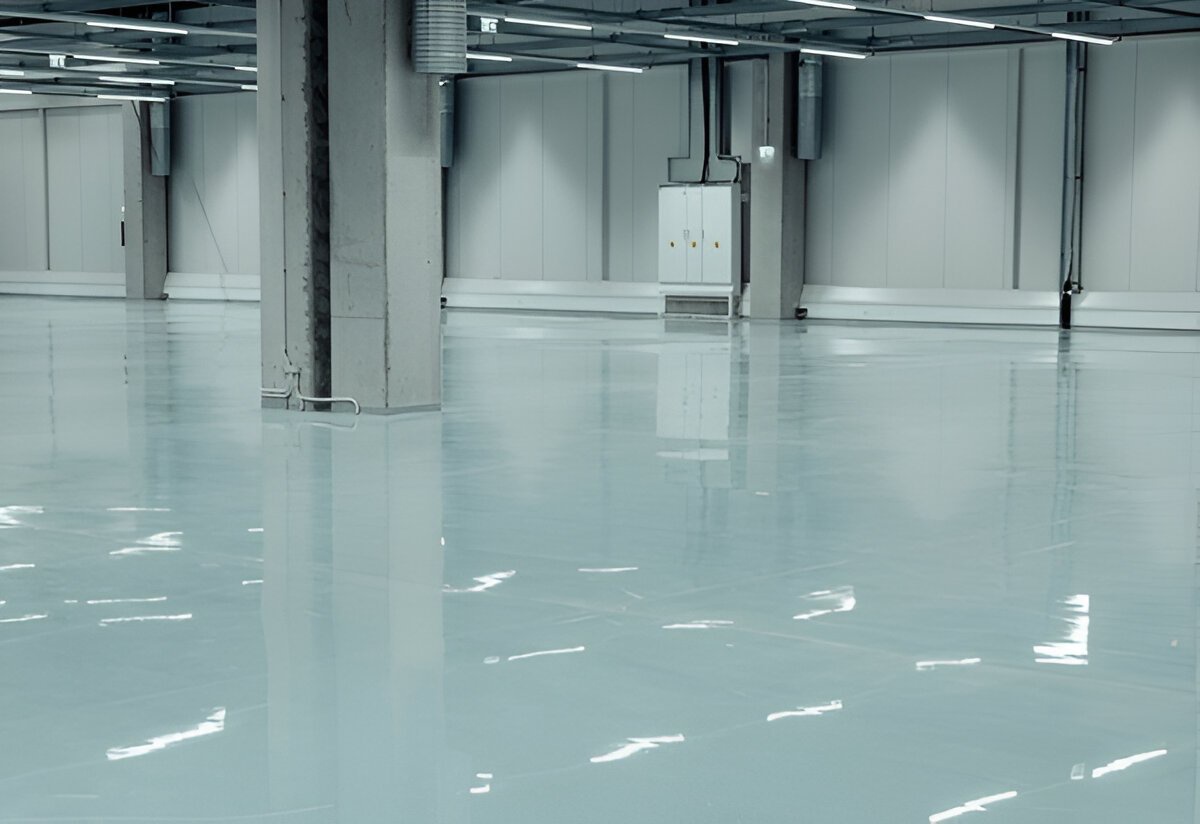
Industrial, commercial, and residential applications prefer epoxy and polyurethane floor coatings. There are, however, several aspects in which the two differ-from their properties and performance to environmental suitability.
- Chemical Composition:
Epoxy: Formed by a chemical reaction of two parts comprising resin and hardener, a rigid, long-lasting finish forms.
Polyurethane: A single-component or two-component system that is made from a polymer resin that hardens upon curing. It is more flexible than epoxy.
- Durability and Strength:
Epoxy: Known for its high strength and resistance to heavy impacts, making it ideal for areas with high foot traffic or heavy equipment.
Polyurethane: Though it’s tough, its impact resistance isn’t as great as epoxy. However, its abrasion resistance and flexibility are excellent, and it is excellent for areas which expand and contract.
- Chemical Resistance:
Epoxy: It gives good resistance against chemicals like oil, solvents, and acids. In this case, it is perfect to be used in a factory or a garage where spillage of chemicals is very common.
Polyurethane: Also provides a good resistance to chemicals but may not be more resistant than epoxy sometimes. Instead, however, it does better with UV resistance, which prevents yellowing from sunlight exposure.
- Cure Time:
Epoxy: Cures much slower, usually 24-48 hours and may take several coats to achieve the optimal effects.
Polyurethane: Usually cures faster, about 12-24 hours and gets the job done faster but is also quite sensitive to conditions of curing; moisture and temperature.
- Flexibility:
Epoxy: Once hardened, it also becomes more stiff and even splits from pressure or impact.
Polyurethane: Flexible, which makes it more suitable in applications that see floors move or expand constantly.
- Appearance and Finish:
Epoxy: It provides generally a much thicker and glossy finish that can be colored to any desired color. However, it may eventually yellow over time in case it has been exposed to UV light.
Polyurethane: Generally, it provides a nearly clearer shinier finish with better UV stability meaning it is clearer less prone to yellow if exposed to sunlight.
- Ease of Application
Epoxy: Typically easy to apply the surface preparation is all important to the bonding process. Epoxy can also be harder to clean.
Polyurethane: Generally easier to apply and more forgiving, but it can be more sensitive to humidity and temperature, requiring careful control of the environment.
- Cost:
Epoxy: Generally more cost-effective upfront but might require more maintenance or touch-ups over time.
Polyurethane: It is usually more expensive because of the resistance to UV light, along with greater durability; in the long run, it can be less expensive in wear and tear.
- Applications
Epoxy: It is usually applied most frequently in an industrial, commercial, or garage environment as they demand heavy traffic and resistance to chemicals.
Polyurethane: This is suitable for warehouse settings, kitchen, or areas with direct sunlight that may demand more UV stability and flexibility.
Summary Table:
Property | Epoxy | Polyurethane |
| Durability
| High strength, impact-resistant
| Abrasion-resistant, flexible
|
Chemical Resistance | Excellent against acids, oils, and solvents | Good, but less resistant than epoxy |
UV Resistance | Can yellow over time | Superior UV stability (no yellowing) |
Flexibility | Rigid, may crack under pressure | Flexible, ideal for dynamic environments |
Cure Time | Longer curing time (24-48 hours) | Faster curing time (12-24 hours) |
Appearance | Thick, glossy, may yellow | Clearer, shinier, maintains appearance |
Cost | More affordable initially | More expensive but long-lasting |
Have Any Question?
- +91 9962699888
- Sales@Chemcoats.com

- 19/10, Rangarajapuram 3rd Street, Netaji Nagar, West Jafferkhanpet, Chennai, Tamil Nadu 600083
- Sales@Chemcoats.com
- +91 9962699888