Walk into any chemical processing plant, pharmaceutical unit, automotive workshop, or food production facility and look down.
That floor isn’t just something people walk on.
It’s being attacked every single day.
Acids spill.
Alkaline cleaners splash.
Oils drip.
Solvents evaporate and settle.
Forklifts move constantly.
And most of the time, the damage doesn’t look dramatic in the beginning.
That’s what makes chemical exposure dangerous for industrial flooring. It works slowly, quietly, and underneath the surface — until one day the floor starts cracking, softening, or eroding.
By then, the repair cost is no longer small.
This is exactly why chemical-resistant flooring systems exist.
Why Bare Concrete Fails Faster Than You Think
Concrete looks strong. It feels permanent. But chemically speaking, it’s vulnerable.
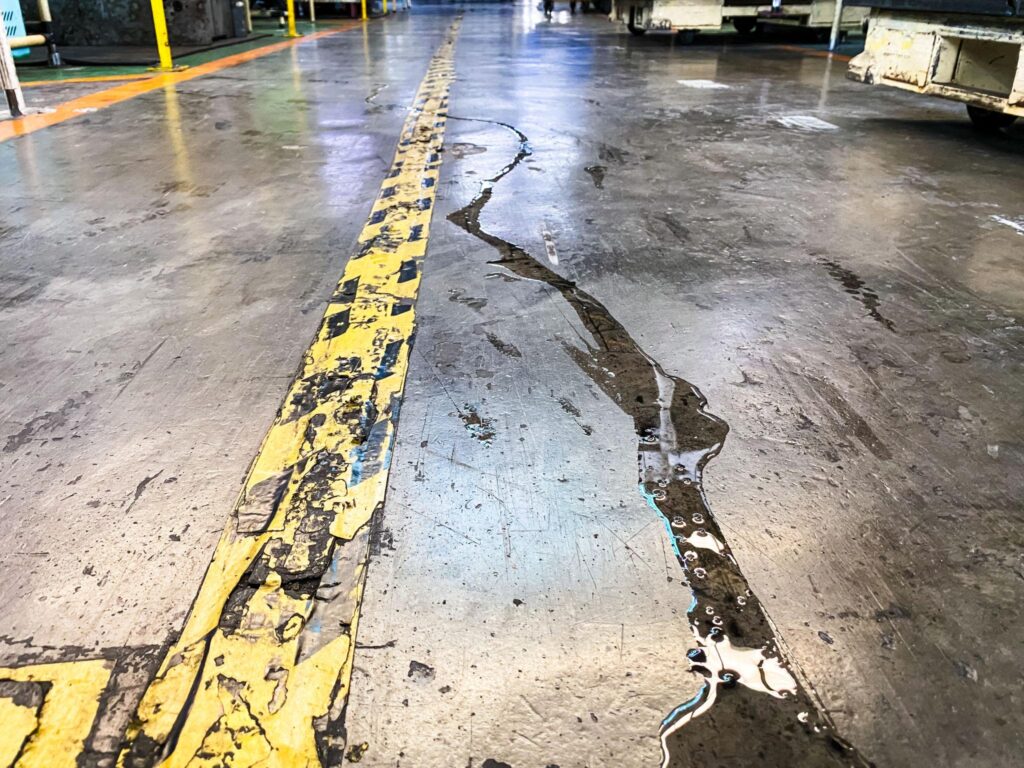
Concrete is porous. It absorbs liquids. And certain chemicals — especially acids — react directly with its composition.
Over time, exposure can cause:
- Surface erosion
- Pitting
- Crumbling
- Structural weakening
- Dusting
In industries where chemical spills are routine, untreated concrete doesn’t stand a chance long-term.
Even sealing concrete with basic coatings is not enough if the chemical exposure is aggressive.
Protection has to match the environment.
Not All Chemicals Are Equal
One mistake many facility owners make is assuming “chemical resistance” is a single category.
It isn’t.
Resistance depends on:
- The type of chemical
- Its concentration
- Temperature
- Duration of exposure
- Frequency of spills
For example:
A mild cleaning detergent is very different from concentrated sulphuric acid.
Vegetable oil exposure is different from industrial solvent exposure.
That’s why flooring selection should never be generic.
The right system depends on what your facility actually handles — not what sounds strong on paper.
What Chemical-Resistant Flooring Actually Does
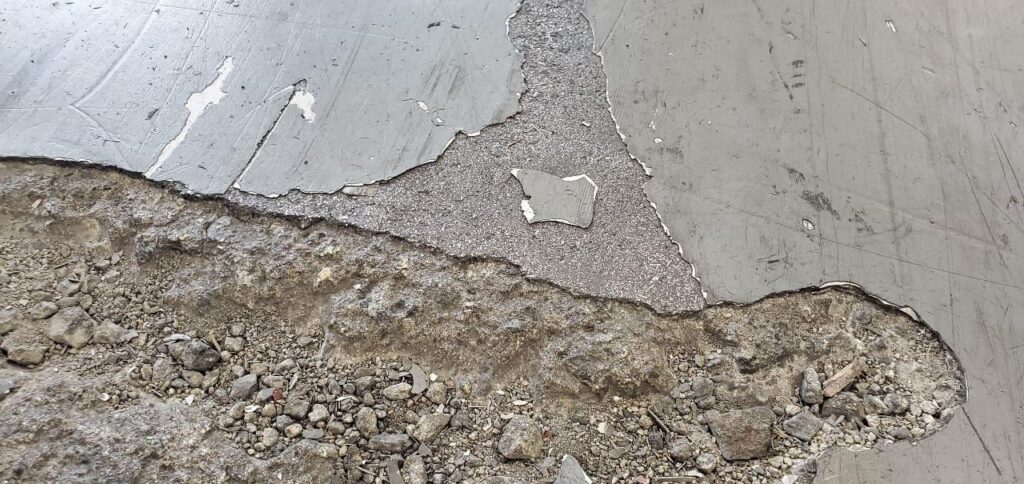
A properly designed chemical-resistant flooring system creates a dense, impermeable barrier between the chemical and the concrete substrate.
Instead of absorbing spills, the surface resists penetration.
Instead of reacting chemically, it stays stable.
Instead of weakening over time, it maintains structural integrity.
This protective layer prevents small incidents from turning into long-term structural damage.
And in regulated industries, that consistency matters.
Common Types of Chemical-Resistant Systems
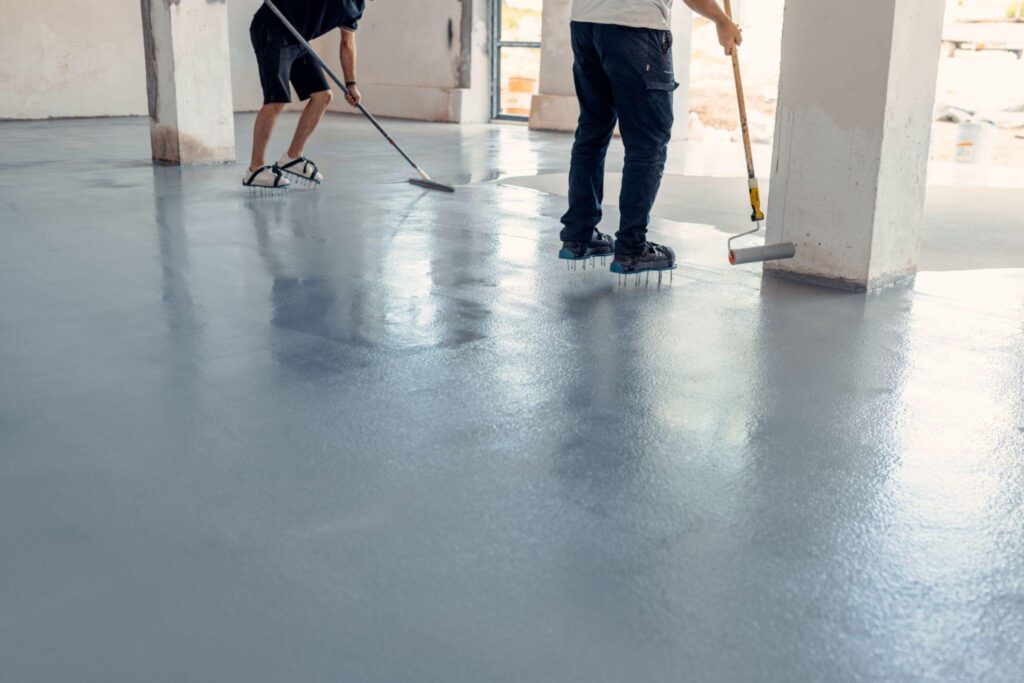
Depending on the environment, facilities typically choose from:
Epoxy Systems
Standard epoxy provides good resistance to many industrial chemicals. It works well in moderate environments such as warehouses, workshops, and production areas with limited aggressive exposure.
Novolac Epoxy
When chemical exposure is stronger — especially acids or high concentrations — novolac epoxy systems are often specified. They are designed for higher resistance levels compared to conventional epoxy.
Polyurethane Systems
Polyurethane offers flexibility and impact resistance, making it suitable where chemical exposure is combined with heavy traffic.
Vinyl Ester Systems
In extremely aggressive chemical environments, vinyl ester flooring may be selected due to its high resistance to corrosive substances.
Cementitious Urethane
As discussed earlier, this system performs well in environments with both chemical exposure and thermal stress, especially in food and beverage industries.
Each system has strengths. None are universal solutions.
The Hidden Cost of Ignoring Chemical Damage
Chemical damage rarely causes immediate shutdown.
It starts small:
A softened patch near a processing area.
Minor surface discolouration.
A slightly rough texture developing over time.
But as chemicals penetrate deeper, they can weaken the bond between floor and substrate.
Eventually, you may see:
- Cracks
- Delamination
- Safety hazards
- Hygiene issues
- Trip risks
At that stage, repair becomes more complicated. Operations may need to pause. Sections of flooring may require full removal.
Preventive installation is always less expensive than corrective reconstruction.
Safety and Compliance Factors
In chemical environments, flooring isn’t only about durability. It’s about safety.
Damaged floors can create slip hazards.
Uneven surfaces can lead to accidents.
Chemical pooling can increase worker exposure risks.
Additionally, regulatory inspections often require facilities to maintain safe, cleanable, and damage-free surfaces.
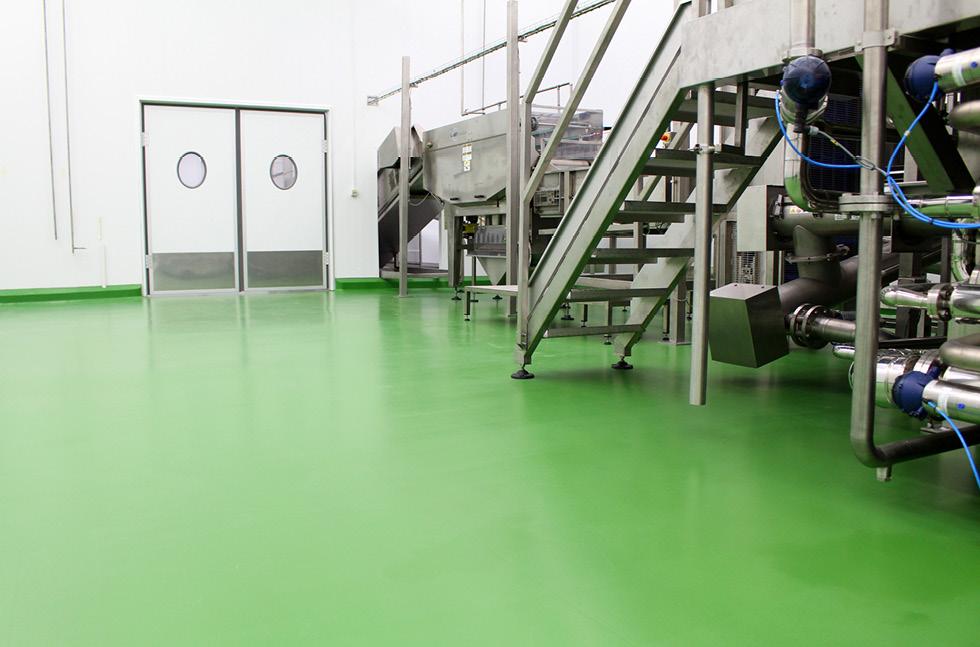
A seamless, chemical-resistant floor supports compliance by making cleaning easier and reducing contamination risks.
Installation: Where Many Projects Go Wrong
Even the strongest chemical-resistant material will fail if installation is rushed.
Surface preparation is critical.
The concrete must be properly profiled.
Moisture levels must be tested.
Cracks and joints must be treated correctly.
Skipping preparation steps may save time initially — but it almost guarantees premature failure.
Post-installation curing time also matters. Exposing the floor to chemicals before full cure can compromise performance.The material matters.
But workmanship matters just as much.
How to Know If You Need It
Ask a few straightforward questions:
- Do we regularly handle acids, solvents, or aggressive cleaners?
- Have we noticed surface erosion or softening?
- Do chemicals sit on the floor for extended periods?
- Are repairs becoming more frequent?
If the answer is yes, your flooring system may not be designed for your operating conditions.
A professional assessment can evaluate the type of exposure and recommend a suitable solution.
Long-Term Perspective
Chemical-resistant flooring should be viewed as protective infrastructure — not just a cosmetic upgrade.
It protects the structural slab beneath.
It protects workers from hazards.
It protects operations from unexpected shutdowns.
When installed correctly, it reduces maintenance cycles and extends the usable life of the facility.
In high-exposure environments, that reliability is invaluable.
Final Thoughts
Chemical exposure is part of industrial reality. Spills happen. Cleaning happens. Production continues.
The question is whether your floor is prepared for it.
Concrete alone is rarely enough.
Basic coatings may not last.
A properly selected chemical-resistant flooring system ensures that everyday operational exposure does not quietly weaken the foundation of your facility.
And in industrial operations, protecting the foundation is protecting the business itself.