Introduction: Cars Are Just Computers on Wheels Think about an automotive assembly plant from twenty years ago. What did the floors need to do?
They needed to hold up a 3-ton steel chassis. They needed to survive heavy wrenches hitting the ground. They needed to handle massive oil and hydraulic fluid spills without caving in.
That was enough.
Not anymore. The entire industry has changed overnight.
Today, a car is essentially a highly sophisticated computer on wheels. With the massive boom in Electric Vehicles (EVs), advanced driver-assistance systems (ADAS), and smart sensors, traditional auto manufacturing has completely merged with high-tech electronics manufacturing.
Because of this radical shift, modern automotive floors must do much more than just look tough. They have to actively protect the product. Here is exactly why engineered ESD (Electrostatic Discharge) flooring is now a strict, non-negotiable requirement in the automotive sector.
The Shift from Mechanical to Electronic
Walk out onto your assembly line right now. Look at the components going into a modern vehicle.
- High-definition infotainment centers.
- Autonomous driving LiDAR and radar sensors.
- Electronic control units (ECUs) that manage the entire engine.
- Complex, miles-long wiring harnesses.
These components are incredibly fragile. They operate on microscopic voltages.
Now, picture a worker simply walking across a standard epoxy or bare concrete floor. The friction of their shoes generates thousands of volts of static charge on their body. They don’t feel it. But it is there.
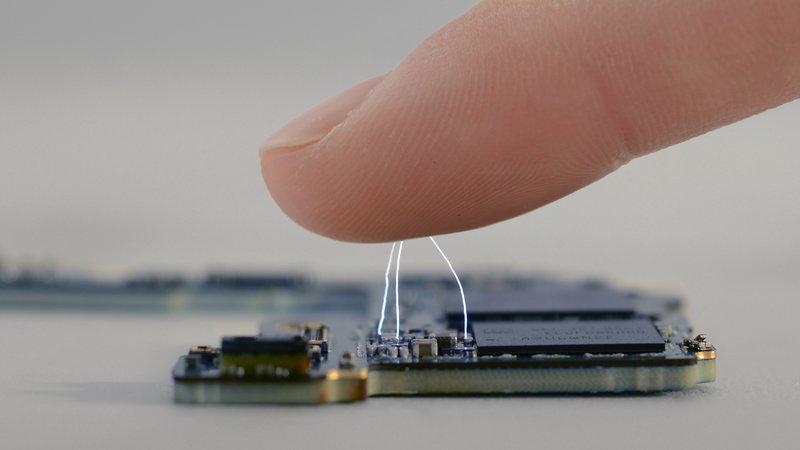
If that worker touches an ADAS sensor before that static is grounded, an invisible shock hits the component.
This causes what the industry calls “latent damage.”
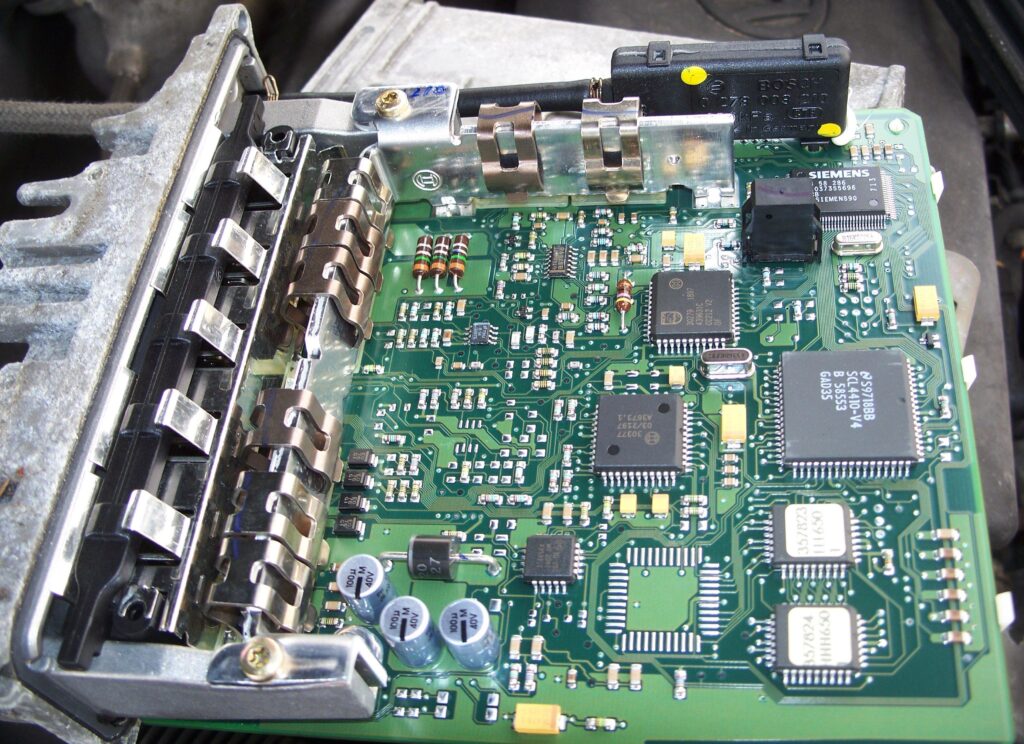
The Nightmare of Latent Damage
Latent damage is an automaker’s worst nightmare.
When the static shock hits the sensor, the part doesn’t break entirely. It passes the factory end-of-line electrical inspection. It gets installed. The car rolls off the line and is sold to a customer.
But the internal circuitry of that sensor is permanently compromised. Six months later, while the customer is driving 70 miles per hour down the highway, the sensor fails.
That means massive, multi-million dollar recalls. It means ruined brand reputations. It means federal safety investigations. All because of a single, invisible static spark on the factory floor.
The stakes are high in battery manufacturing, especially in giga factories. The production of lithium-ion batteries involves working with highly volatile solvents, reactive powders, and complex chemical processes, which significantly increases the potential for accidents.
- The dangers within an EV gigafactory are significant.
- First, there’s the ignition risk. In the battery coating and electrolyte filling areas, a solitary static spark can easily ignite chemical vapors. This can result in devastating factory fires, explosions, and, tragically, fatalities.
- Contamination risk is a real concern. Static electricity, in effect, becomes a potent magnet, drawing in airborne dust and tiny particles, then holding them fast to whatever surface is nearby.
ESD flooring from Chemcoats neutralizes both threats instantly. It safely channels the static into the earth before a spark can form or dust can settle on the product.
The Threat to Robotics and AGVs
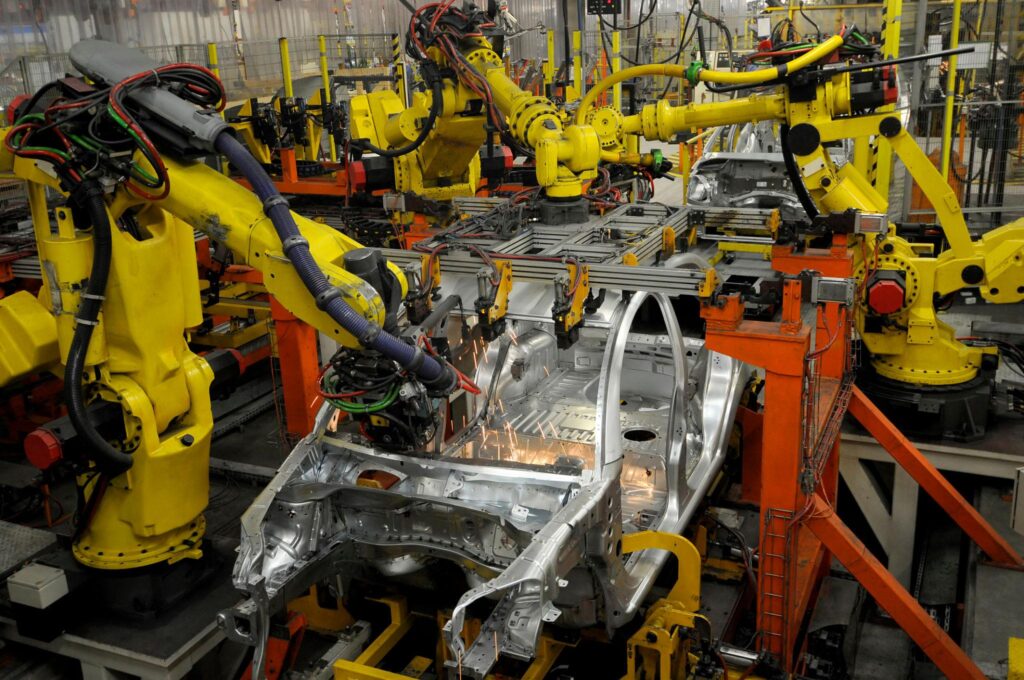
Modern auto plants don’t just use forklifts anymore. They run on AGVs—Automated Guided Vehicles. These are the robots that navigate the factory floor autonomously to deliver heavy parts directly to the assembly line.
These robots are packed with sensitive microchips. If they roll across a standard insulative floor, the friction of their wheels generates rolling static. That static builds up and eventually fries the robot’s own internal navigation boards. The robot dies in the middle of the aisle, halting production.
Furthermore, AGVs require perfectly flat, seamless surfaces to operate without tripping their collision sensors. Chemcoats ESD resin systems provide the perfectly level, static-free runway these million-dollar robots require to operate efficiently.
Cleanroom Standards in Heavy Industry
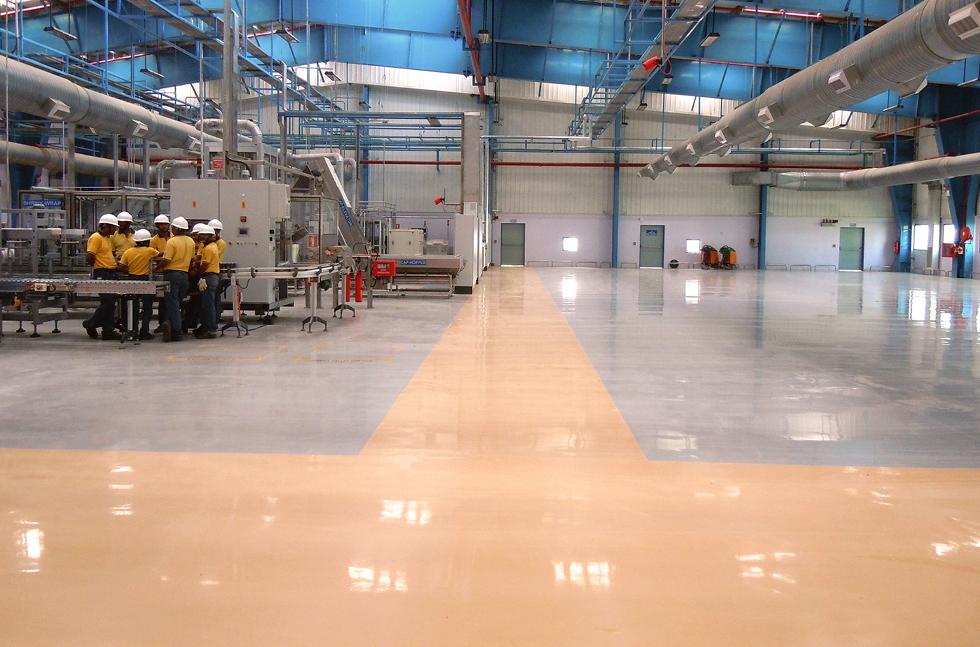
Because the technology is so delicate, automakers are now building strict, climate-controlled cleanrooms right inside their heavy manufacturing factories.
Bare concrete sheds fine silica dust continuously as it wears down. Standard commercial tile requires waxing and buffing, which creates even more airborne particles. That is totally unacceptable in an electronic cleanroom.
Seamless ESD resin flooring solves this entirely. It generates absolute zero dust. It repels dirt. It withstands heavy automotive traffic while providing the strict static control required for high-tech assembly.
Final Thoughts
The automotive industry is evolving faster than any other sector on earth. Your facility infrastructure has to keep up. You don’t just need a tougher floor; you need a smarter floor. Upgrading to engineered ESD flooring is no longer an optional luxury or a cosmetic upgrade. It is a strict operational requirement to stop product failure, protect autonomous robotics, and prevent fatal factory hazards.