Introduction
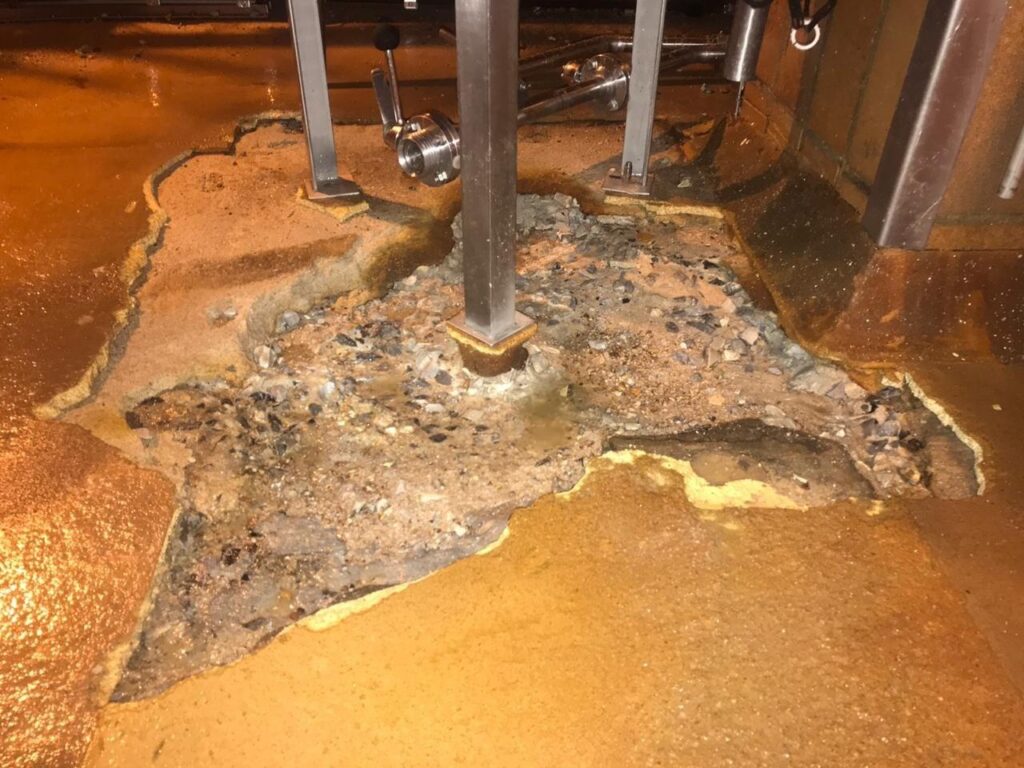
Concrete has a reputation for being tough. We use it to build massive highway overpasses, towering skyscrapers, and heavy-duty factory floors. Because it feels like solid rock under our boots, it is easy to assume that a concrete slab can handle just about anything you spill on it.
Unfortunately, that assumption costs facility managers thousands of dollars every year.
At a microscopic level, bare concrete is actually full of tiny pores, making it act a lot like a giant, hard sponge. It is also highly alkaline. When you introduce harsh industrial chemicals into the mix—whether it’s a slow leak from a hydraulic pump, a splash of battery acid, or routine cleaning with heavy solvents—the concrete doesn’t just stain. A violent chemical reaction occurs. The chemicals seep into those tiny pores and begin literally eating away the calcium bonds that hold the slab together.
Before long, your smooth factory floor starts crumbling, pitting, and turning to dust.
If your daily operations involve handling caustic substances, you cannot leave your slab exposed. You need a specialized Chemical Resistant Floor Coating to act as your primary barrier. But flipping through product catalogs can be incredibly confusing, as every manufacturer claims their product is “chemical resistant.” Here is a no-nonsense guide to understanding how these top coats actually work and how to pick the exact right chemistry for your building.
It’s Not a One-Size-Fits-All Solution
The biggest mistake people make when buying a floor coating is thinking “chemical resistance” is a blanket term. It isn’t. A top coat that completely ignores a puddle of engine oil might get instantly melted by a splash of sulfuric acid.
To protect your floor, you have to match the resin chemistry of the top coat directly to the specific chemicals used in your facility. Here are the four heavy hitters in the industrial flooring world and exactly what they protect against.
1. Standard Industrial Epoxy
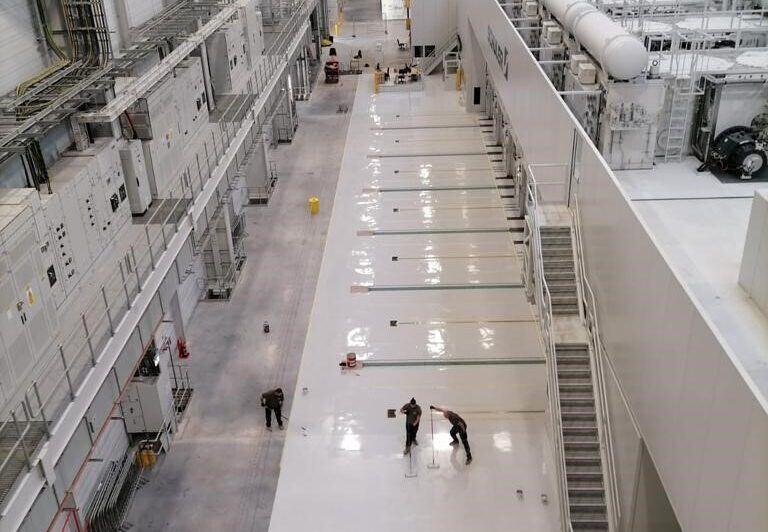
Epoxy is the workhorse of the manufacturing world. It cures into a hard, seamless plastic shell that locks out moisture.
- What it beats: Standard Industrial Epoxy Flooring is fantastic at resisting everyday automotive fluids like motor oil, transmission fluid, and heavy greases. It also handles mild alkaline cleaners and basic salts with ease.
- Where it fails: Keep it away from high-concentration acids and harsh solvents. A strong solvent will soften standard epoxy, turning it into a sticky mess.
2. Polyurethane (PU) Top Coats
Polyurethane is usually applied as a thin, clear armor over an epoxy base coat. It is highly flexible and extremely resistant to surface scratching.
- What it beats: Polyurethane shines where epoxy struggles. It boasts excellent resistance to harsh industrial solvents, jet fuels, aviation hydraulic fluids (like Skydrol), and harsh organic acids found in the food industry.
- Where it fails: Because it goes down very thin, it doesn’t offer the structural thickness needed to handle deep pools of highly corrosive inorganic acids.
3. Cementitious Urethane (Urethane Cement)
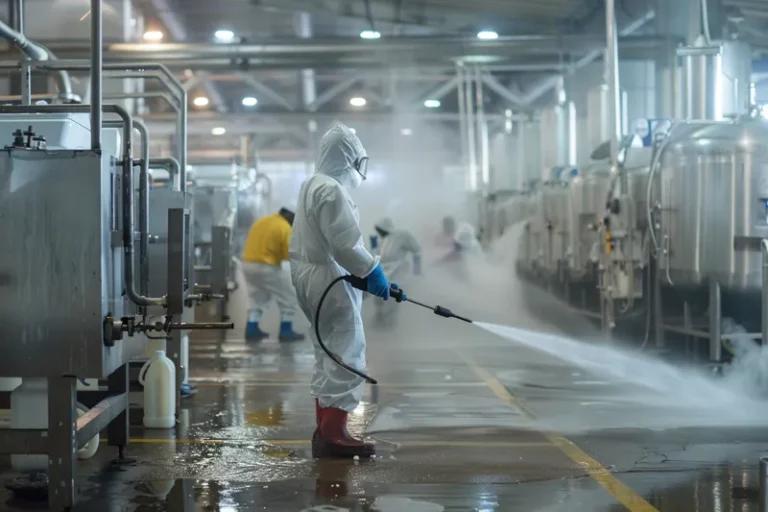
This is a hybrid material that mixes urethane polymers with actual cement. It is built for wet, abusive environments.
- What it beats: Installing heavy-duty PU Concrete / PU Flooring makes this is the undisputed champion of the food and beverage industry. It easily withstands the nasty organic acids found in animal fats, blood, milk, and citrus juices. Plus, it handles the boiling hot water and harsh sanitizers used during mandatory washdowns without peeling.
- Where it fails: It is highly utilitarian. If you want a glossy, beautiful showroom floor, this won’t give you that aesthetic without a different top coat applied over it.
4. Novolac Epoxy
When you are dealing with the most dangerous, highly corrosive chemicals on the planet, Novolac is the only answer. It is formulated with a ridiculously tight molecular structure that aggressive acids simply cannot penetrate.
- What it beats: Concentrated sulfuric acid, hydrochloric acid, and heavy chemical manufacturing byproducts. If you run a battery charging room or a chemical containment dike, specifying a Novolac Epoxy Flooring system is your mandatory insurance policy.
The Two Rules of Chemical Exposure
Knowing what chemicals you use is only step one. To get the specification perfectly right, you and your flooring contractor also need to look at two critical exposure factors:
1. The Concentration Level
A floor coating that resists a 10% splash of sulfuric acid might completely fail if exposed to a 50% concentration of that exact same acid. Always check your facility’s Safety Data Sheets (SDS) and give those exact concentration percentages to your flooring installer.
2. The Duration of Exposure (Splash vs. Immersion)
How long will the chemical sit on the floor before someone cleans it up? Most quality top coats are rated for “splash and spill” exposure, meaning they will protect the concrete as long as the chemical is wiped up within a few hours.
However, if you are coating the inside of a secondary containment trench where chemicals might sit in a puddle for days over a long weekend, you need a coating rated for “continuous immersion.”
The Secret to Making It Stick
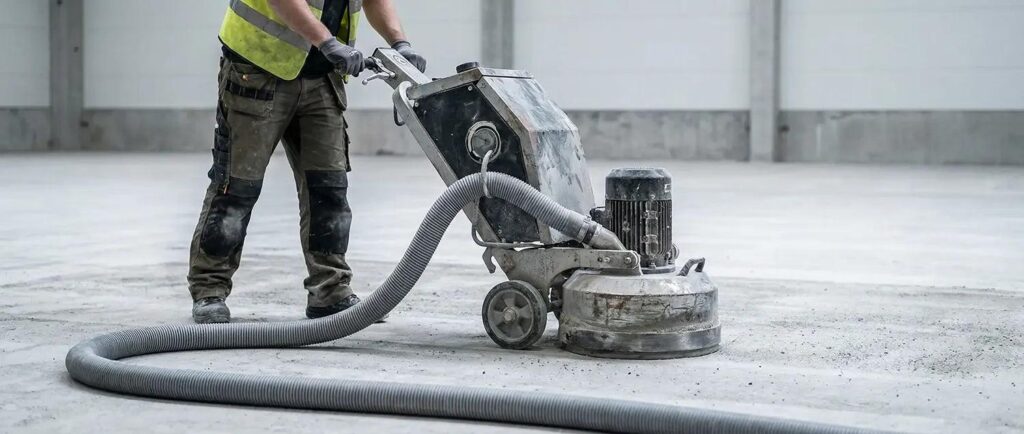
You can buy the most expensive, high-tech chemical resistant top coat on the market, but if it isn’t installed properly, it will peel right off the floor.
Proper adhesion requires aggressive surface preparation. The concrete must be mechanically profiled—usually through shot blasting or diamond grinding—to open up the pores and give the resin something to bite into. Furthermore, if the concrete is already contaminated with old oils or acids, those contaminants must be completely neutralized and drawn out of the slab before a single drop of new coating touches the floor.
Conclusion
Don’t let a chemical spill eat your facility’s infrastructure from the inside out. By accurately mapping out the chemicals you use, their concentrations, and your cleaning routines, you can install a top coat that turns your vulnerable concrete into an impenetrable fortress.
Worried that your current flooring won’t hold up to an industrial spill? Contact Chemcoats our team today to find the exact chemical-resistant top coat your facility needs.