Introduction: The Threat Beneath Your Feet In the food processing and pharmaceutical industries, hygiene is not just about passing an FDA or FSSAI safety inspection. It is about corporate survival.
You can invest millions of dollars in state-of-the-art stainless steel equipment. You can enforce the strictest sanitation protocols for your staff. You can run automated CIP (Clean-In-Place) systems all night long.
But if your facility’s floor is compromised, your entire operation is sitting on a ticking time bomb.
Bacteria, mold, and deadly pathogens do not grow out in the open where your inspectors can easily see them. They hide. They multiply in the microscopic cracks, eroded joints, and damp crevices right beneath your workers’ boots.
This is exactly why traditional flooring methods are being ripped out globally and replaced with seamless hygienic resin flooring. Here is why it is the ultimate defense against contamination and catastrophic recalls.
The Hidden Dangers of Tile and Bare Concrete
For decades, dairy tile, quarry tile, and bare sealed concrete were the absolute industry standard. Today, we know they are massive operational liabilities. If you are still using them, you are fighting a losing battle against bacteria.
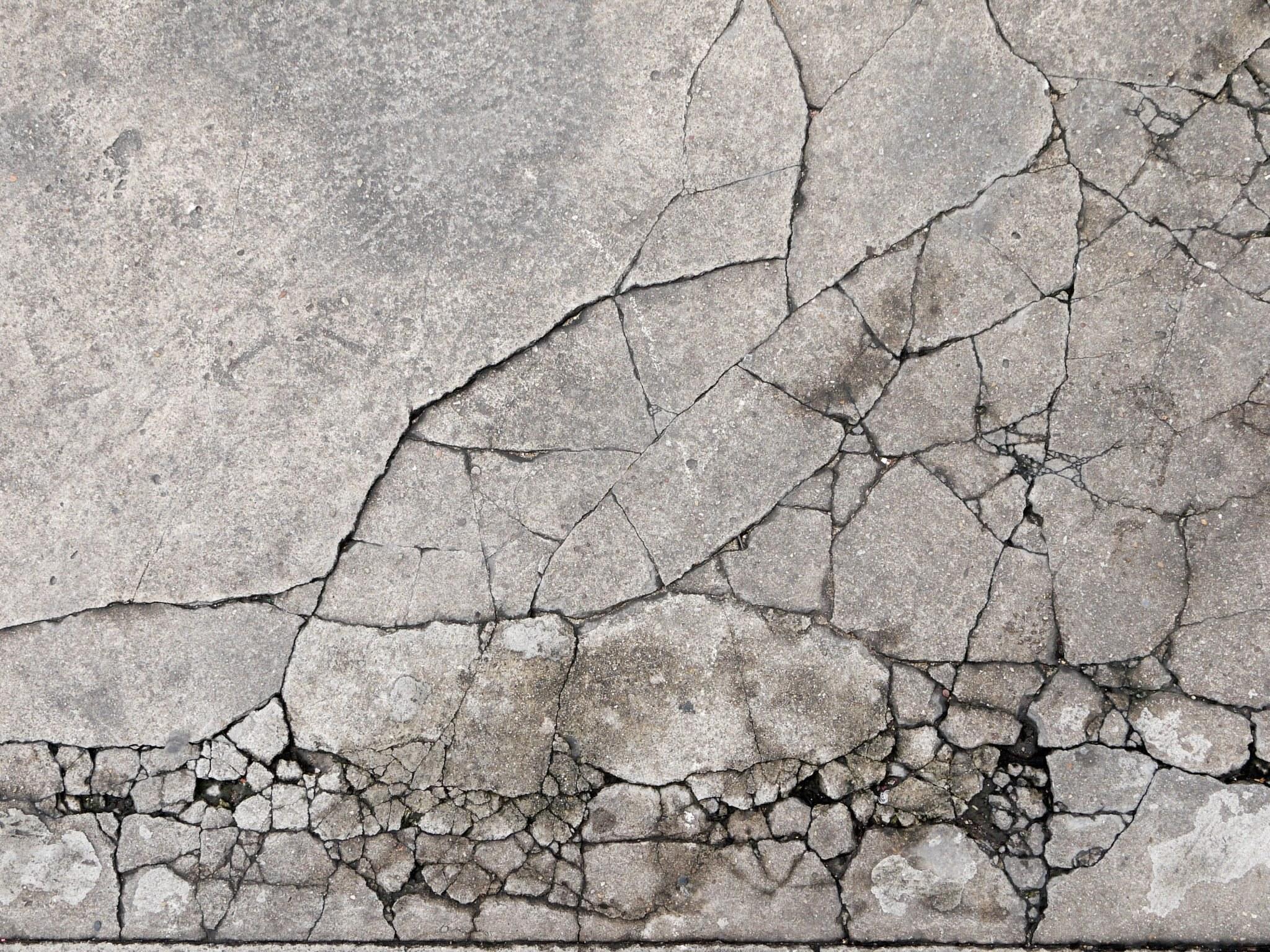
- The Problem with Concrete: Concrete looks solid, but it is highly porous. Under a microscope, it looks like a rigid sponge. It aggressively absorbs washdown water, animal fats, hot sugars, blood, and harsh cleaning chemicals. Over time, this dark, damp environment inside the concrete becomes the perfect breeding ground for Listeria, E. Coli, and Salmonella.
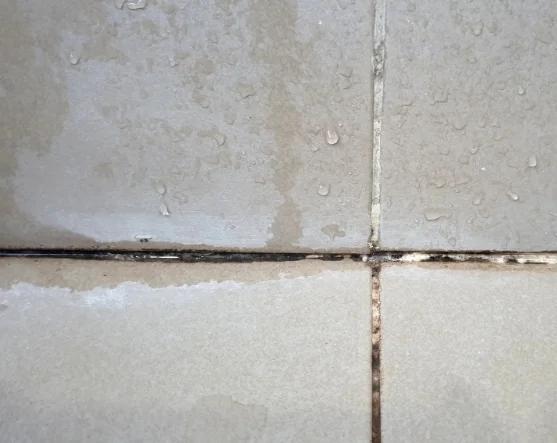
- The Problem with Tile: The ceramic tile itself might be hard and sanitary, but the grout lines holding those tiles together are highly porous. Grout degrades rapidly under heavy forklift traffic and daily chemical exposure. As the grout erodes, it creates deep, narrow canyons between the tiles. Bacteria settle into these canyons, and no amount of aggressive power washing will ever fully remove them.
The Seamless Advantage of Hygienic Resin
Hygienic resin systems (specifically heavy-duty cementitious urethane) completely eliminate the vulnerabilities of tile and concrete.
These systems are applied as a thick, self-leveling liquid. They cure rapidly into a solid, impenetrable, monolithic surface.
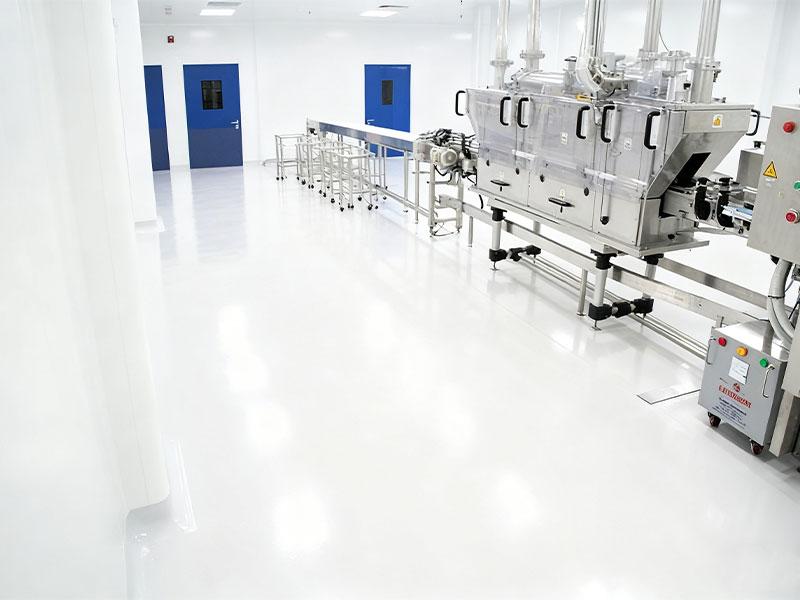
- Zero Joints: There are no grout lines. There are no seams. There are no expansion joint gaps left exposed. There is absolutely nowhere for food particles, standing water, or bacteria to hide.
- Seamless Coved Skirting: A proper hygienic floor does not just stop abruptly at the wall. The resin is seamlessly troweled up the wall (creating what is called a cove base). This completely eliminates the sharp 90-degree corner between the floor and the wall. In any facility, that 90-degree corner is the hardest place to clean and the easiest place for dirt to accumulate. Cove bases make washdowns fast, fluid, and completely effective.
Built-In Antimicrobial Protection
Advanced hygienic floors from Chemcoats do not just sit there; they actively fight back against bacteria.
Many of our premium systems feature silver-ion antimicrobial additives mixed directly into the liquid resin before it is poured. This is not a cheap topcoat that wears off after a few months of forklift traffic. The protection goes all the way through the entire thickness of the floor.
The silver ions actively rupture the cell walls of bacteria and fungi on contact, destroying their ability to multiply. It provides a crucial, 24/7 secondary layer of defense between your scheduled heavy cleaning cycles.
Surviving the “Thermal Shock” Nightmare
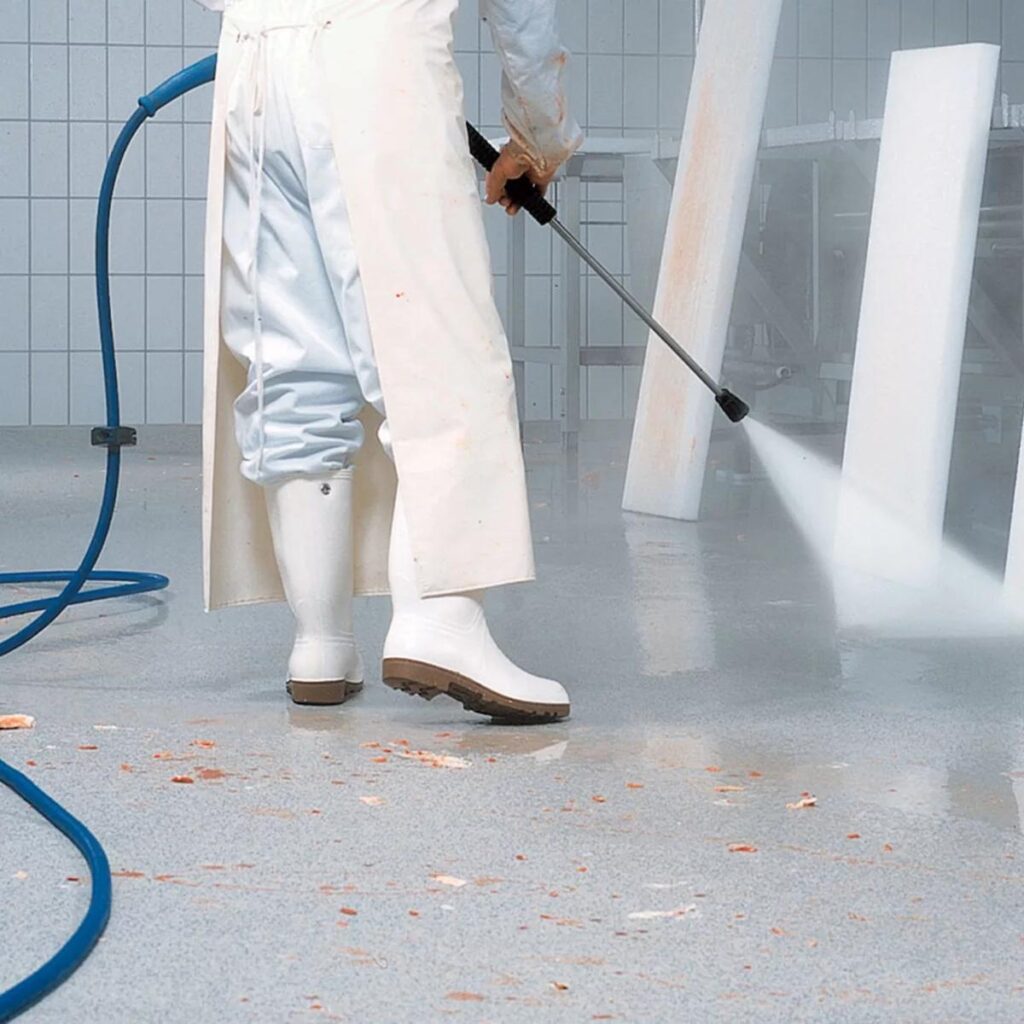
If you run a food and beverage plant, your cleaning protocols are violent. Floors are routinely blasted with boiling water or 120°C high-pressure steam. Often, this happens in meatpacking rooms, breweries, or cold storage areas that are normally kept at freezing temperatures.
When you hit a freezing cold traditional floor with boiling water, the floor expands rapidly. The concrete slab beneath it does not. The resulting stress causes the floor to crack, shatter, and peel away. The industry calls this “thermal shock.” It destroys standard epoxy floors in a matter of weeks.
Specialized hygienic floors—specifically polyurethane concrete—are chemically engineered to expand and contract at the exact same rate as the concrete beneath them. You can blast them with boiling steam every single day, and they will never peel, lift, or crack.
Unmatched Chemical Resistance
Food and pharma plants use highly aggressive chemicals to stay sterile. Peracetic acid, caustic soda, nitric acid, and heavy industrial bleach. These chemicals will literally melt standard epoxy and eat holes straight through bare concrete. Hygienic resin flooring is chemically inert to these aggressive sanitizers. Your cleaning crew can use the strongest chemicals on the market, and the floor will survive intact.
Final Thoughts
Hygiene starts from the ground up. If you process food, brew beverages, or manufacture pharmaceuticals, your floor cannot be an afterthought. It must be an active, aggressive sanitation tool. Seamless hygienic resin delivers the extreme durability, chemical resistance, and microbial protection required to keep your consumers safe, protect your brand, and keep your facility completely audit-ready.