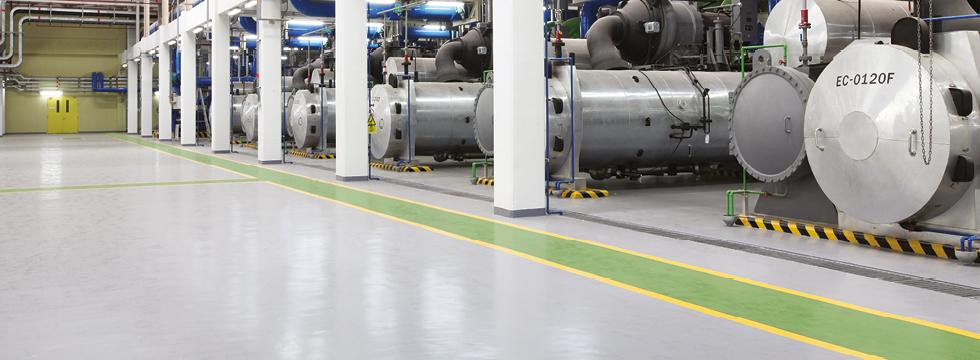
Epoxy has become a catch-all term in parts of the construction and flooring conversation. It is often used to describe almost any seamless resin floor or protective coating, regardless of the actual technology involved.
You hear polyurethane systems referred to as epoxy. You hear MMA systems referred to as epoxy. In some cases, the word is used so broadly that it becomes shorthand for the entire category.
On one level, that is understandable. Epoxy is one of the best-known resin technologies in the market, and for many people outside the coatings world it has become the familiar label. But from a technical and specification point of view, that shorthand can be misleading.
Because not every coating is epoxy. And when the terminology becomes imprecise, the specification can too.
Why the language matters
At first glance, calling a floor or coating system “epoxy” may seem harmless. After all, the conversation usually starts with a general intention: a seamless finish, chemical resistance, durability, hygiene, or a more robust alternative to traditional finishes.
But coating systems are not defined only by how they look once installed. They are defined by how they perform in service.
That is where the distinction matters.
An epoxy system, a polyurethane cement system, and an MMA system may all sit within the broader family of resinous flooring or resin-based protective coatings, but they are not interchangeable technologies. Each has its own chemistry, curing profile, strengths, limitations, and ideal use cases.
When different systems are grouped together under one generic label, there is a risk that the conversation focuses on appearance rather than performance. And in specification, that can lead to the wrong assumptions being made too early.
Epoxy is one technology, not the whole category
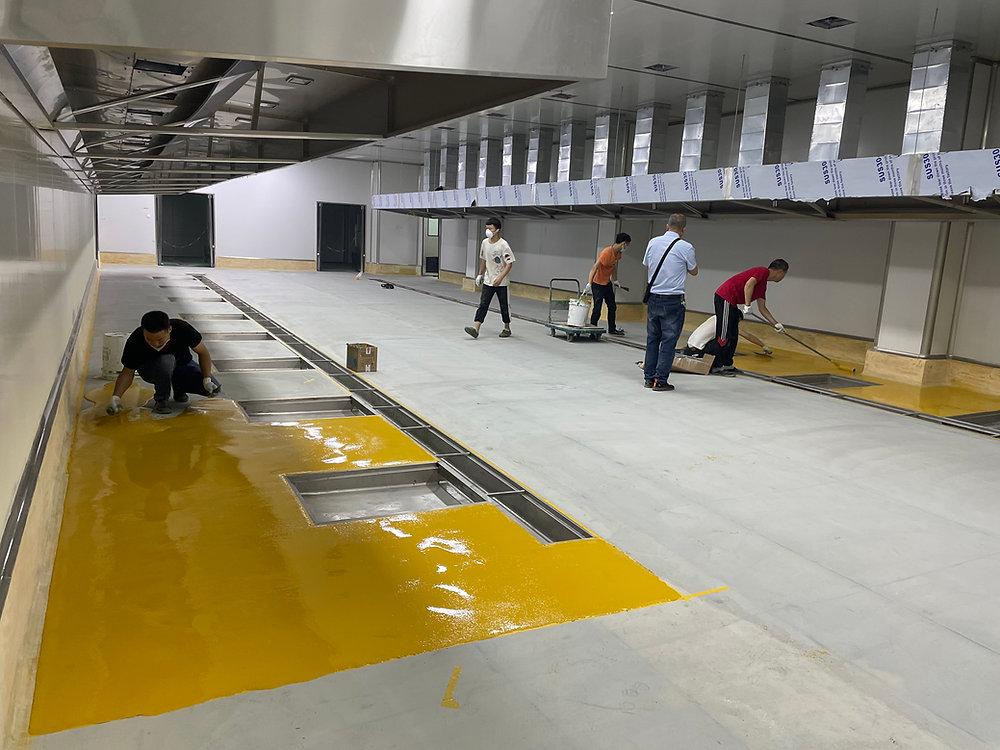
Epoxy deserves its place in the market. It is widely specified for good reason. Depending on the formulation and application, epoxy systems can offer excellent adhesion, good chemical resistance, durable wear surfaces, and a clean, attractive finish. In many commercial and industrial environments, epoxy remains an appropriate and effective choice.
The problem is not epoxy itself. The problem is using “epoxy” as if it were a universal term for all resin flooring and protective coatings.
That becomes an issue when project stakeholders begin describing every seamless system as epoxy, even where the service environment may point more clearly toward a different technology.
This is especially common in early-stage discussions, outline specifications, and client conversations where the word “epoxy” is used as a placeholder for “something hard-wearing and seamless.” The intention is understandable. But the placeholder can become sticky, and once it appears in a brief or specification note, it can influence expectations well beyond the first conversation.
Not all resin systems are designed to solve the same problem
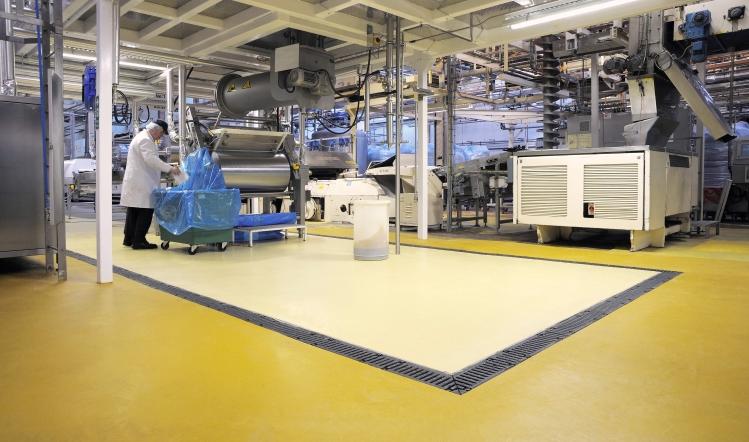
One of the most important things to understand about resinous systems is that different technologies often exist to solve different operational problems.
A decorative internal space, for example, may prioritise appearance, cleanability, and moderate wear resistance. A warehouse may require durability under mechanical traffic. A food or beverage production area may need to cope with thermal cycling, hot washdowns, moisture, and aggressive cleaning regimes. A fast-track refurbishment may be driven primarily by the need for rapid installation and return to service.
Those are not the same conditions, so it should not be surprising that they may call for different technologies.
Broadly speaking:
- Epoxy systems are often chosen for their balance of durability, adhesion, chemical resistance, and finish
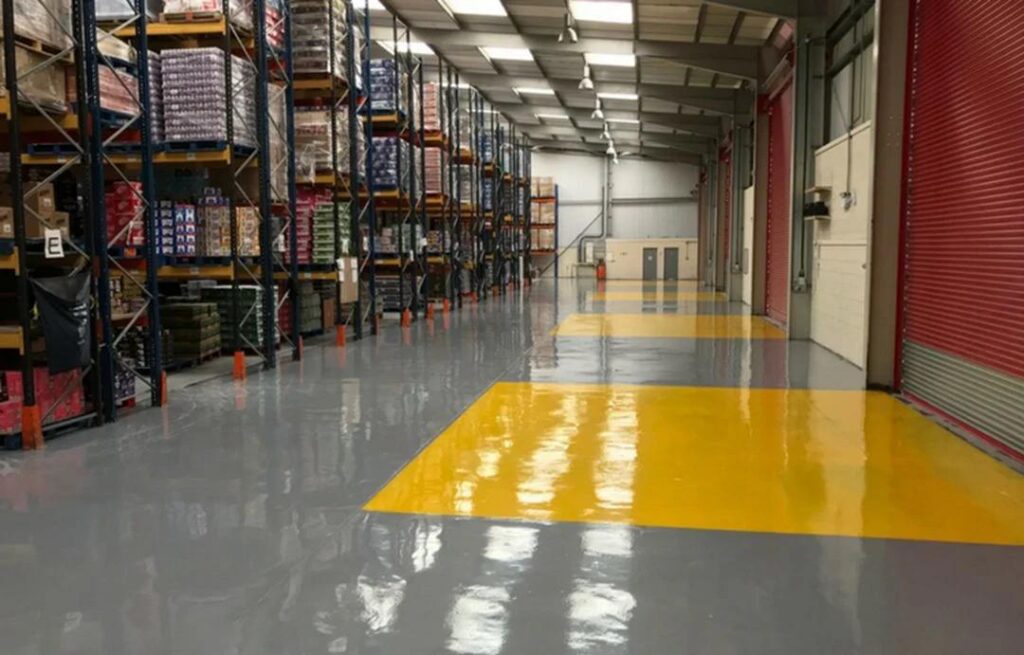
Polyurethane cement systems are often selected where thermal shock resistance, heavy-duty performance, moisture tolerance, and demanding process conditions are critical.
MMA systems are often used where very fast cure times and quick return to service is required.
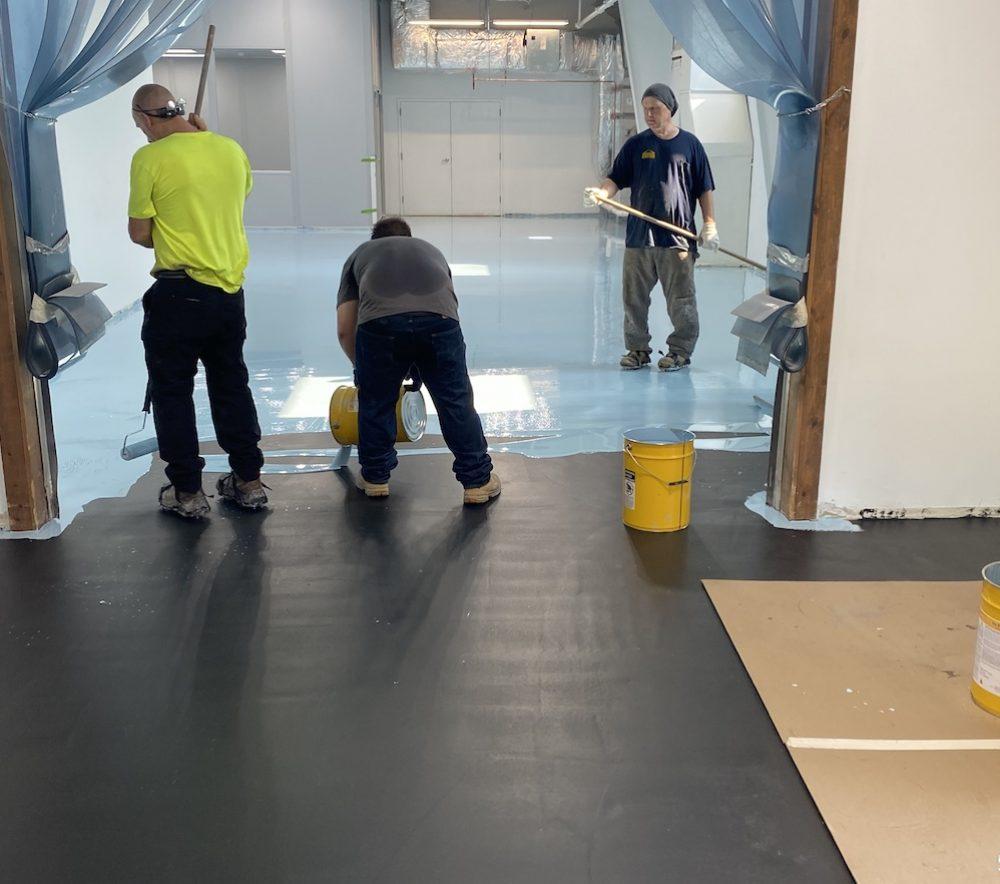
These are broad summaries, not absolute rules. Product formulations vary, and system design always matters. But the underlying point remains the same: different resin technologies are not simply different names for the same thing.
Where confusion often begins
A lot of this confusion comes from the way categories are discussed in the market.
To someone outside the sector, “epoxy floor” has become a familiar phrase in the same way some product names or technologies become generic labels in everyday language. It is easy to say, widely recognised, and usually understood to mean a seamless, hard-wearing resin finish.
The issue is that familiarity is not the same as accuracy.
Architects, end users, and even some contractors may use the word casually when what they really mean is one of several things:
- a seamless resin finish
- a heavy-duty industrial floor
- a hygienic flooring system
- a chemical-resistant coating
- a fast-curing refurbishment solution
Those are performance needs, not chemistries.
And once the chemistry is assumed too early, the project team can start working backwards from the wrong starting point.
Why this matters for architects and specifiers

For architects and specifiers, terminology shapes decisions.
If a project note simply calls for an “epoxy floor,” that may be enough in some straightforward environments. But in more demanding applications, the generic label can mask important questions that should be asked before the system is selected.
Questions such as:
- What thermal conditions will the floor experience?
- Will the area be subject to hot washdowns or steam cleaning?
- How much downtime is available for installation and cure?
- What level of chemical exposure is expected?
- Is moisture in the substrate a likely issue?
- Is impact or heavy trafficking a major factor?
- Is the finish requirement primarily functional, decorative, or both?
These are the questions that determine fit for purpose. The chemistry should follow the performance requirement, not the other way around.
That is why accurate language matters. Not because the industry needs more jargon, but because better terminology helps create better briefs, clearer specifications, and more appropriate system selection.
Better conversations start with performance, not habit
A useful shift in mindset is to move away from asking:
“Do we need an epoxy floor?”
and instead ask:
“What does this environment require the system to do?”
That small change improves the whole conversation.
It encourages stakeholders to define the service conditions first. It opens the door to a wider and more appropriate discussion of technology options. And it reduces the chance that a familiar generic term will narrow the specification before the real operational demands have been understood.
In practice, that means thinking less about brand-name familiarity or default terminology, and more about the actual performance criteria:
- chemical exposure
- thermal stress
- cure time
- hygiene requirements
- slip resistance
- substrate condition
- mechanical loading
- aesthetic expectations
- lifecycle durability
- maintenance regime
Once those criteria are clear, the right system becomes much easier to identify.
This is not about semantics
Some people may see this as a matter of technical correctness or industry wording. But it is more than semantics.
Calling every system epoxy can affect how projects are described, how expectations are set, and how solutions are compared. It can oversimplify the decision-making process and blur important differences between technologies that were developed for distinct environments.
In the best-case scenario, the wording is imprecise but the right system still gets selected.
In the worst case, vague terminology contributes to a mismatch between the environment and the specified solution. That can show up later in the form of premature wear, performance issues, unnecessary maintenance, installation challenges, or dissatisfaction with the outcome.
Better terminology does not guarantee a perfect specification. But it does create a better starting point.
A more useful umbrella term
If the aim is to speak more accurately without becoming overly technical, a better umbrella term is often resinous flooring or resin-based protective coating system.
Those phrases recognise that epoxy is part of a wider family rather than the name for the entire family itself.
That gives project teams a more accurate starting point. From there, the conversation can move toward the question that really matters: which technology is best suited to the environment, the operating conditions, and the long-term performance expectations?
Final thought
Epoxy is an important and valuable technology. But it is not a universal label for every resin floor or protective coating.
Polyurethane cement is not epoxy. MMA is not epoxy. And when those distinctions are ignored, the risk is not just technical inaccuracy – it is that the wrong label may drive the wrong specification.
The industry does not necessarily need more complicated language. It just needs more precise language where precision affects performance.
Not all coatings are epoxy, and not all flooring challenges are solved the same way.The more precisely we describe resinous systems, the more likely we are to specify them correctly.