Why Urethane Cement is Quickly Becoming a Best-Seller for Flooring Contractors
Ask any veteran industrial flooring contractor about their biggest fear, and you will usually get the exact same answer: the dreaded callback.
Picture this. Your crew just spent a week grinding, prepping, and rolling out a massive, beautiful epoxy floor for a new manufacturing client. It looked flawless when you handed over the keys. But three months later, your phone rings. The facility manager is angry. Massive blisters are pushing up through the floor, the coating is peeling off in sheets, and they want you to come rip it all up and fix it for free.
A failed floor eats your profit margin alive. It ruins your reputation. And honestly, it is usually caused by things totally out of your control—like moisture hidden deep inside the concrete slab.
This exact nightmare scenario is driving a massive shift in the industrial flooring industry. Contractors are increasingly walking away from traditional thin-mil epoxies for high-risk jobs and switching their go-to recommendation to urethane cement (also known as cementitious urethane).
It is quickly becoming the best-selling system for heavy-duty applications. But why? Let’s look at exactly why the guys installing the floors—and the facility managers buying them—are relying on this specific chemistry to save their jobs.
The Magic of Moisture Tolerance
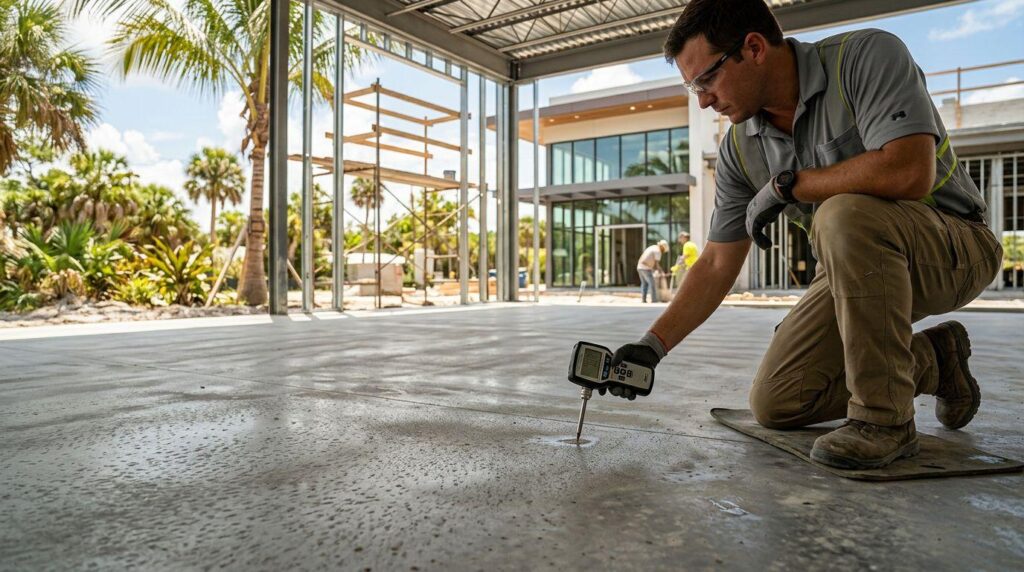
If you want to know why epoxy floors fail, just look for water. Standard epoxy resin absolutely hates moisture.
Before putting down an epoxy floor, a contractor has to run heavily regulated moisture tests on the concrete slab. If the Relative Humidity (RH) or moisture vapor transmission rate is too high, the epoxy will act like a plastic bag over a puddle. It traps the moisture vapor trying to escape the slab. Eventually, that vapor builds up enough hydrostatic pressure to literally blow the epoxy right off the floor.
Urethane cement handles water completely differently. Because it is a hybrid material that actually contains Portland cement and water-based urethane technology, it breathes. Even better, it actually needs moisture to cure properly.
Contractors love this. It means they can show up to a job site with a high moisture reading and confidently install a heavy-duty floor without forcing the client to pay thousands of dollars for separate moisture mitigation primers. Utilizing a professional PU Concrete / PU Flooring system acts as the moisture barrier and the structural floor coating all at the exact same time.
Beating the 28-Day Clock on “Green” Concrete
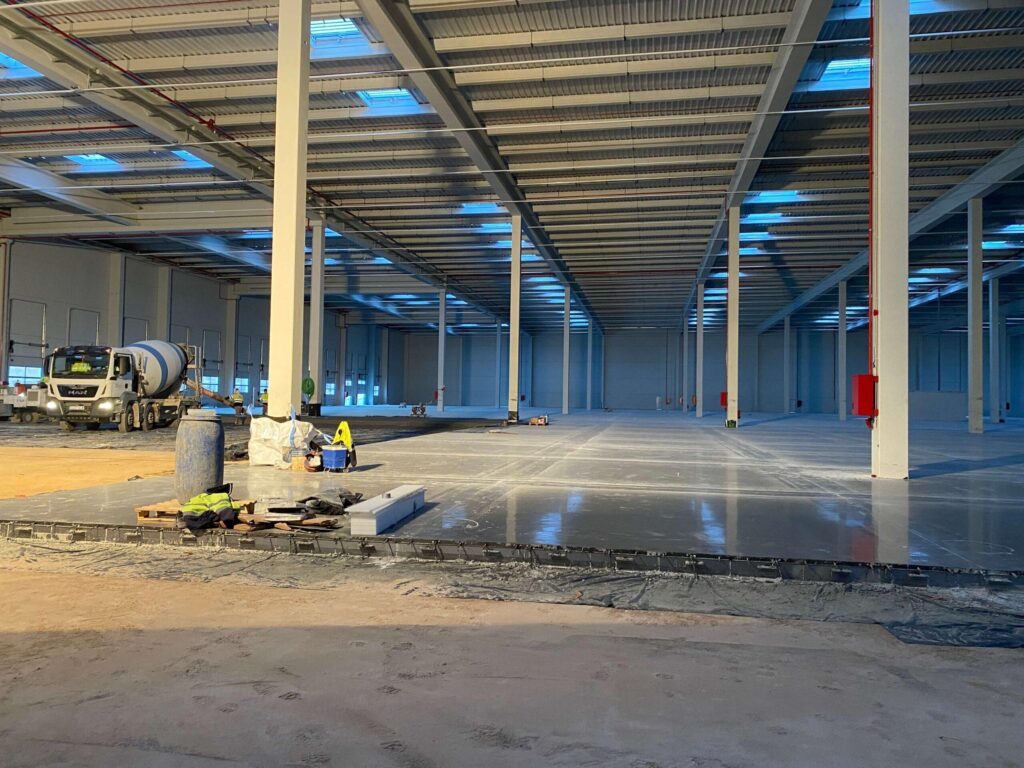
In the commercial construction world, schedules are always running behind, and time is literally money.
If a general contractor pours a brand new concrete slab, the traditional rulebook says you have to wait 28 full days for that concrete to cure and dry out before you can even think about applying an epoxy coating. If you rush it, the floor will fail. But no facility owner wants to sit on an empty building for a month just waiting for the floor to dry.
This is where urethane cement becomes a massive hero for project timelines.
You can apply urethane cement over “green” (newly poured) concrete in as little as 7 to 10 days. The coating bonds perfectly to the damp slab and allows the concrete to finish curing naturally underneath it. For a general contractor desperately trying to hit a grand opening deadline, a flooring crew that can shave three weeks off the project schedule is worth their weight in gold.
A Bulletproof Solution for the Toughest Environments
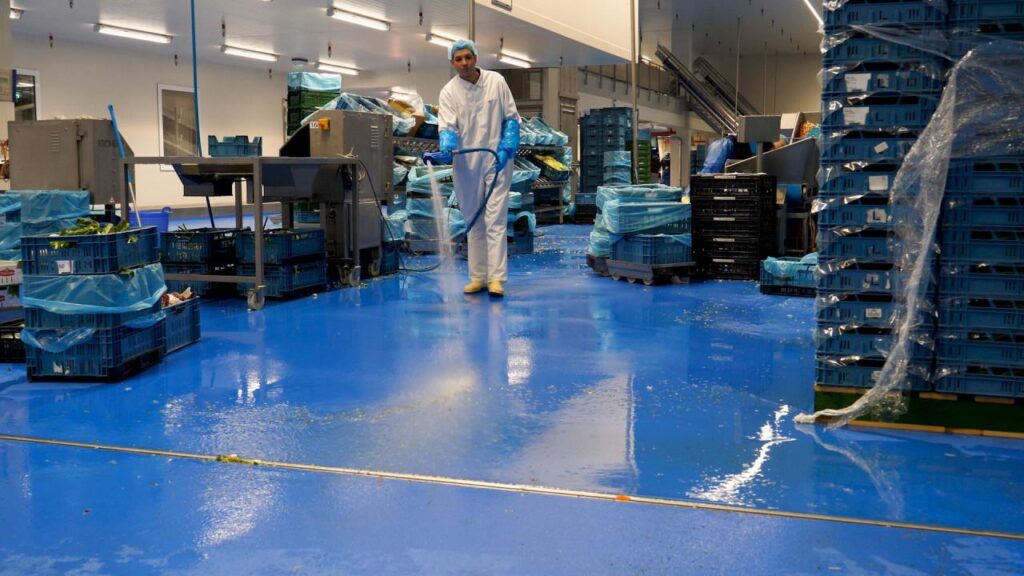
From a sales perspective, flooring contractors love urethane cement because it is an incredibly easy sell to facility managers in harsh industries.
When a contractor walks into a commercial bakery, a craft brewery, or a meat processing plant, they know the floor is going to be tortured. These places use boiling hot water, high-pressure steam, and aggressive chemical sanitizers to clean their facilities every single night.
If you sell them standard epoxy, the sudden temperature swings from the hot water will cause thermal shock. The epoxy will snap and crack. But because urethane cement shares a similar thermal expansion rate as the concrete beneath it, it expands and contracts right along with the slab.
Contractors can look a food plant manager in the eye and guarantee the floor won’t pop off during a washdown. Combining this with anti-static requirements via specialized ESD Epoxy Flooring coatings allows contractors to cover both chemical, thermal, and electrical risks in complex production plants. That kind of peace of mind closes deals.
It Forgives Ugly Concrete
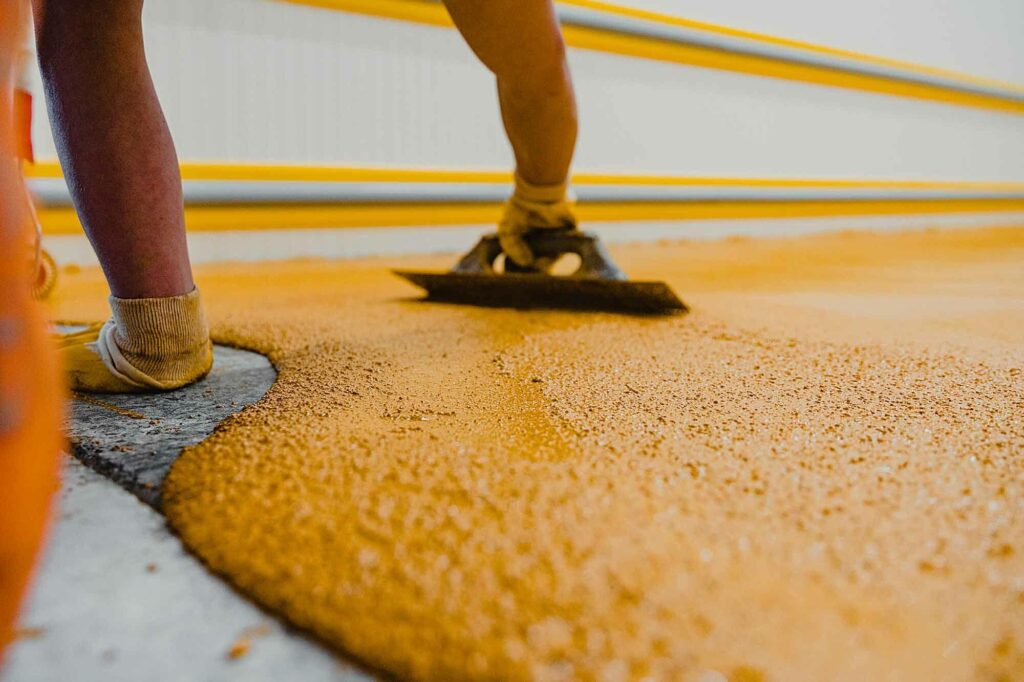
Let’s face it: not every concrete slab is perfectly smooth and level. A lot of older industrial facilities have floors that look like the surface of the moon—pitted, heavily spalled, and deeply scarred from decades of abuse.
Trying to make an ugly floor look good with a thin layer of paint or standard epoxy is impossible. Thin coatings just highlight every single dent and divot.
Urethane cement is a high-build system. It is usually poured and troweled out at a thickness ranging from 1/8 inch to a full 1/4 inch or more. That thick layer acts as a self-leveling resurfacer. The contractor doesn’t have to spend days trying to patch a hundred tiny holes. They just trowel the urethane cement right over the damage, completely burying the ugly concrete under a brand new, rock-solid surface.
The Ultimate Hybrid Canvas
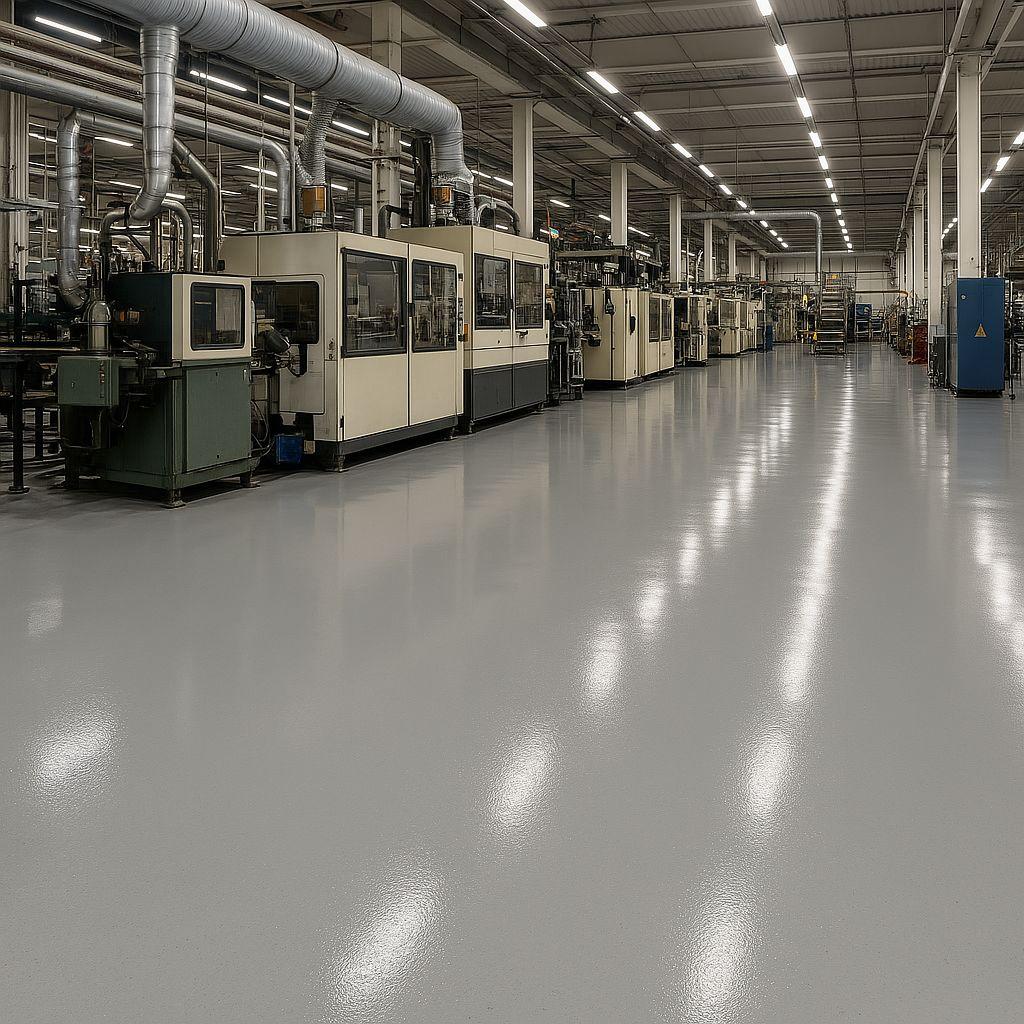
The one real complaint people have about urethane cement is that it looks pretty boring. It usually comes in flat, matte colors that scream “utilitarian.”
But contractors have figured out a brilliant workaround. They use urethane cement as the bulletproof foundation layer to solve all the moisture and impact problems. Then, once it cures, they roll a high-gloss, UV-stable polyaspartic or heavy-duty Industrial Epoxy Flooring topcoat right over it.
The client gets a floor that looks like a million bucks, but hides the bone-crushing durability of a urethane system right beneath the surface. For the contractor, it means high profit margins, a thrilled customer, and most importantly, a phone that doesn’t ring with a complaint three months later.
Want a bulletproof floor that won’t fail from hidden concrete moisture? Contact Chemcoats today to reach out to our technical team to specify urethane cement for your next project.