theashergroups@gmail.com

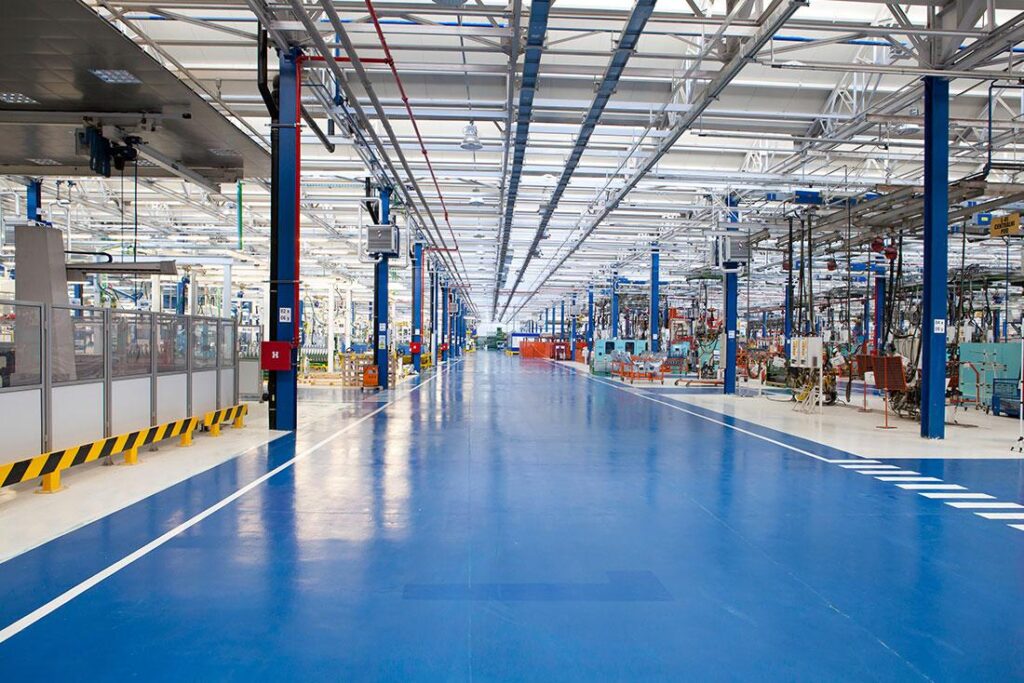
Seamless industrial resin flooring in warehouse facility with forklifts

The True Cost of Bad Flooring: How Much Is Concrete Dust and Damage Costing Your Business?

Introduction: The Most Ignored Asset in Your Facility Think about how you manage your facility. You service the HVAC system. You perform preventative maintenance on the forklifts. You inspect the roof for leaks. But what about the floor? In the hierarchy of industrial facility management, flooring is almost always the most ignored asset. Unless there […]
The True Cost of Bad Flooring: How Much Is Concrete Dust and Damage Costing Your Business? Read More »

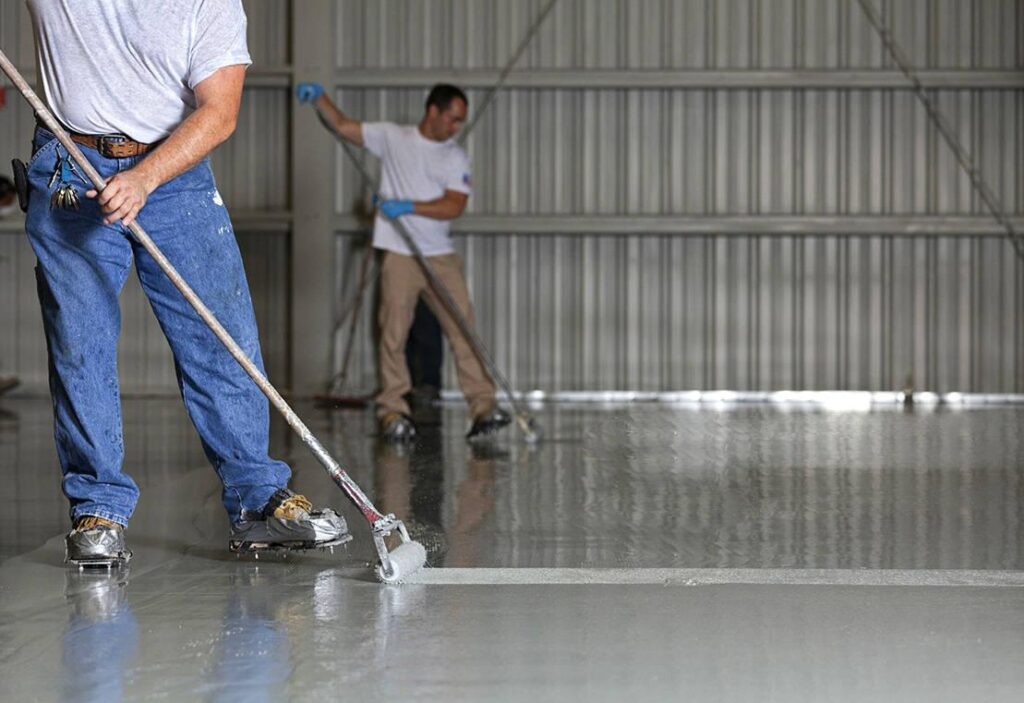
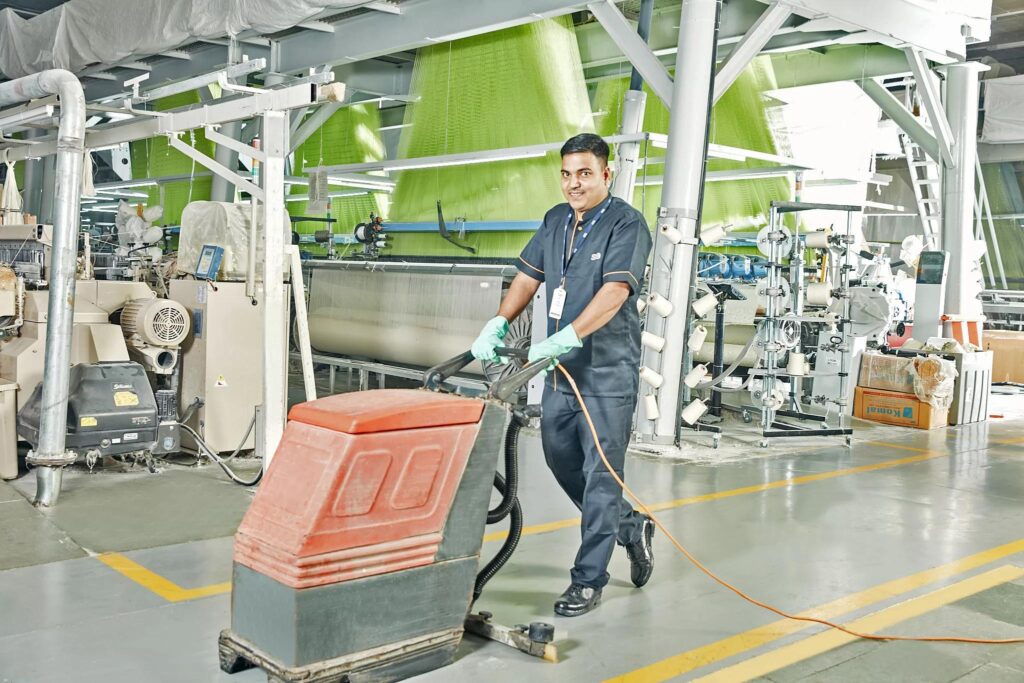
Worker cleaning anti static ESD flooring in industrial facility

Are You Ruining Your Anti-Static Floor? The Right (and Wrong) Way to Clean ESD Flooring

Introduction: When Good Floors Fail You made the investment. You shut down your production line. You paid to have the concrete shot-blasted. You installed a premium, engineered ESD (Electrostatic Discharge) flooring system from Chemcoats. Your sensitive equipment is protected. Your safety audits are spotless. You breathed a massive sigh of relief and got back to

Are You Ruining Your Anti-Static Floor? The Right (and Wrong) Way to Clean ESD Flooring Read More »

Seamless hygienic resin flooring in food processing facility

Hygienic Resin Flooring: The Ultimate Defense for Food, Beverage, and Pharma Facilities

Introduction: The Threat Beneath Your Feet In the food processing and pharmaceutical industries, hygiene is not just about passing an FDA or FSSAI safety inspection. It is about corporate survival. You can invest millions of dollars in state-of-the-art stainless steel equipment. You can enforce the strictest sanitation protocols for your staff. You can run automated

Hygienic Resin Flooring: The Ultimate Defense for Food, Beverage, and Pharma Facilities Read More »

Electric vehicle manufacturing plant with advanced electronics and automation

Electric Vehicles and Advanced Manufacturing: Why ESD Flooring is Non-Negotiable in Automotive

Introduction: Cars Are Just Computers on Wheels Think about an automotive assembly plant from twenty years ago. What did the floors need to do? They needed to hold up a 3-ton steel chassis. They needed to survive heavy wrenches hitting the ground. They needed to handle massive oil and hydraulic fluid spills without caving in.

Electric Vehicles and Advanced Manufacturing: Why ESD Flooring is Non-Negotiable in Automotive Read More »

Engineer testing ESD flooring resistance in electronics manufacturing facility

Decoding ESD Flooring Standards: A Simple Guide to ANSI/ESD S20.20 and Resistance Specs

Introduction: The Alphabet Soup of Flooring Specs Start researching ESD flooring, and you immediately hit a wall of technical jargon. ANSI. IEC. Ohms. Point-to-ground resistance. Charge generation. For facility managers, it is completely overwhelming. You just want a floor that works. You want a floor that passes the audit. You don’t want to read a

Decoding ESD Flooring Standards: A Simple Guide to ANSI/ESD S20.20 and Resistance Specs Read More »

Chemical resistant industrial flooring in manufacturing facility

Chemical-Resistant Industrial Flooring: Protecting Your Facility from Damage You Can’t See Immediately

Walk into any chemical processing plant, pharmaceutical unit, automotive workshop, or food production facility and look down. That floor isn’t just something people walk on. It’s being attacked every single day. Acids spill.Alkaline cleaners splash.Oils drip.Solvents evaporate and settle.Forklifts move constantly. And most of the time, the damage doesn’t look dramatic in the beginning. That’s

Chemical-Resistant Industrial Flooring: Protecting Your Facility from Damage You Can’t See Immediately Read More »

Cementitious urethane flooring in food processing facility with wet washdown environment

Cementitious Urethane Flooring: Why It’s the Go-To Choice for Harsh Industrial Environments

If you’ve ever walked into a food processing plant right after a hot washdown, you’ll understand something immediately — not every floor can survive that environment. Boiling water.Strong cleaning chemicals.Heavy equipment rolling nonstop.Temperature swings from steam to cold storage. Standard epoxy flooring looks great on day one. But in aggressive industrial settings, it can struggle

Cementitious Urethane Flooring: Why It’s the Go-To Choice for Harsh Industrial Environments Read More »

ESD anti static flooring in electronics manufacturing facility

What Are ESD Floors — And Does Your Facility Actually Need One?

Let’s be honest. Most people don’t think about static electricity inside an industrial building. It’s not visible. It doesn’t make noise. And unless you’ve worked in electronics manufacturing or chemical processing, it probably feels like a minor issue — the kind of thing that gives you a tiny shock on a dry day and nothing

What Are ESD Floors — And Does Your Facility Actually Need One? Read More »

Industrial epoxy resin flooring installed in manufacturing facility

Can You Install New Resin Flooring Over an Old Floor? Here’s What Actually Matters

One of the most common questions facility managers ask when their floors start looking worn out is simple: “Do we really have to break everything and start from scratch?” It’s a fair question. Demolition is noisy. It creates dust. It interrupts operations. And in active industrial facilities, downtime is often more expensive than materials. The

Can You Install New Resin Flooring Over an Old Floor? Here’s What Actually Matters Read More »

Bare Concrete vs. Anti-Static Flooring: What’s Actually Safer for Your Facility?

If you walk into most industrial buildings, you’ll see concrete floors. Solid. Thick. Heavy. Permanent. Because of that, many facility owners assume something simple: concrete must be safe from static problems. After all, it’s connected to the ground, right? That assumption sounds logical — but in practice, it’s not that simple. The difference between bare

Bare Concrete vs. Anti-Static Flooring: What’s Actually Safer for Your Facility? Read More »