theashergroups@gmail.com

How to Test Slip Resistance on Epoxy Floors | Chemcoats

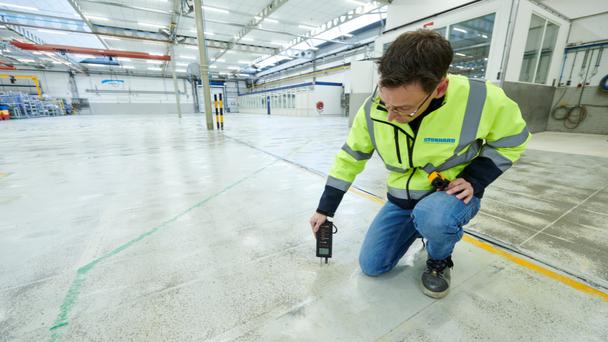
How to Assess Slip Resistance on Existing Industrial Epoxy Floors Industrial epoxy flooring is widely used in manufacturing plants, warehouses, workshops and other industrial facilities because of its durability and ease of maintenance. However, even a well-installed floor can become slippery when exposed to oil, grease, water, cleaning residues or gradual surface wear. For facility […]

How to Test Slip Resistance on Epoxy Floors | Chemcoats Read More »
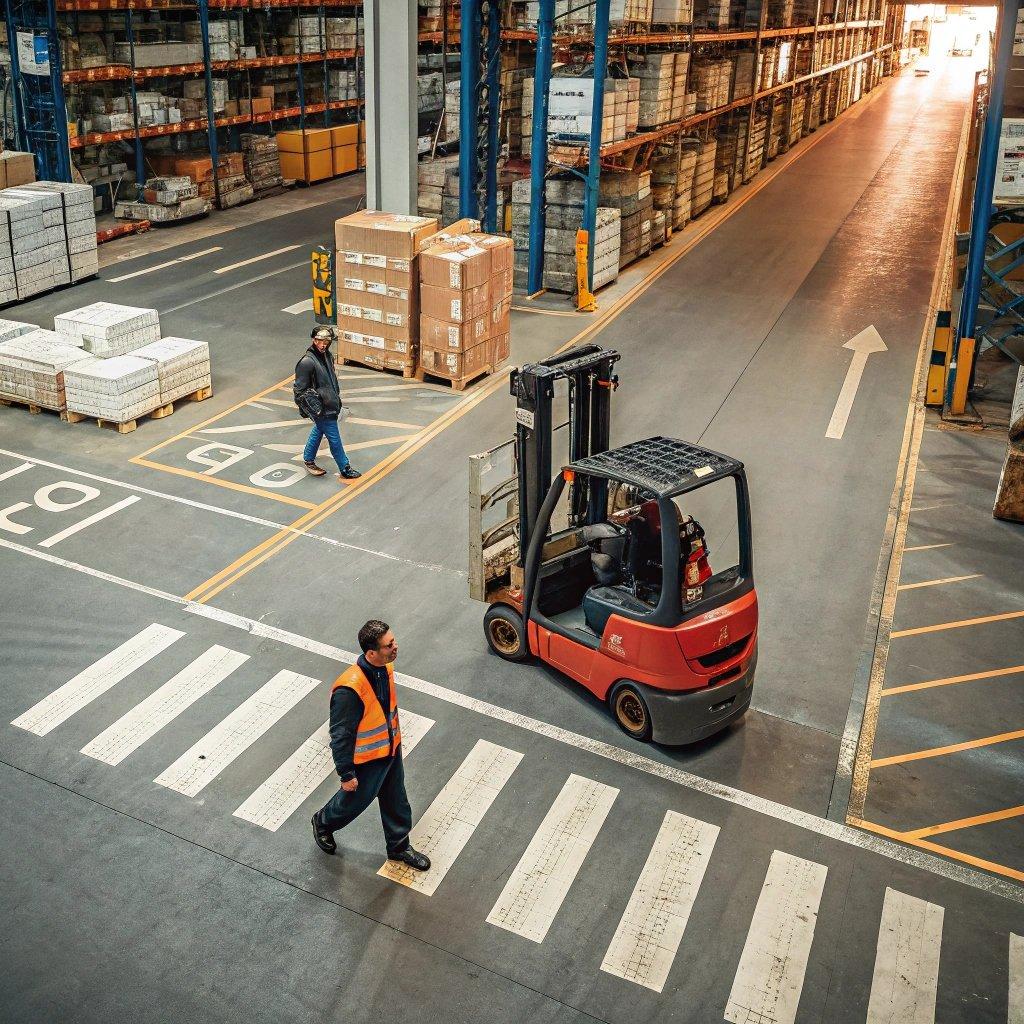
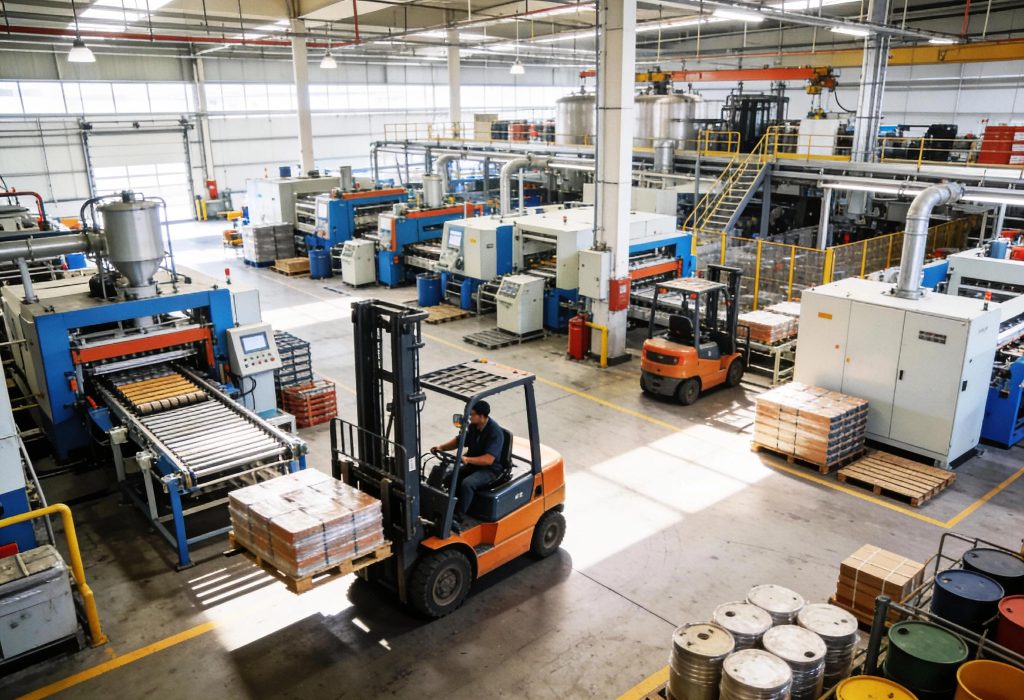
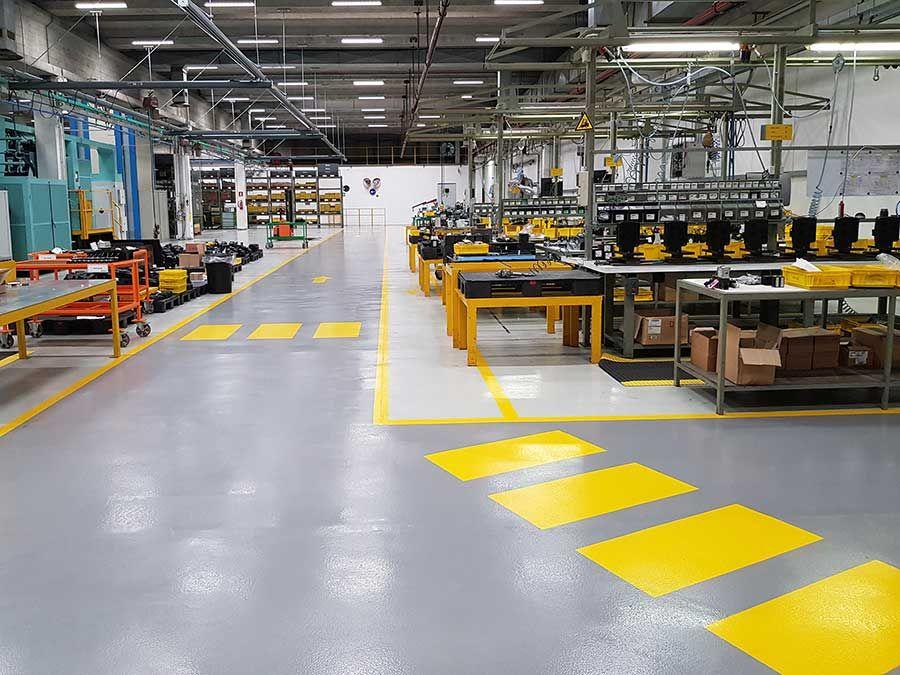
High-traffic manufacturing facility with industrial flooring and forklift movement

High-Traffic Industrial Flooring for Manufacturing Facilities: How to Specify the Right System

Industrial manufacturing floors rarely wear evenly across the entire facility. Wear usually develops where people, trolleys, pallet trucks and vehicles repeatedly follow the same routes. Production-line walkways become dull, pedestrian crossings lose surface texture, line markings fade, and the busiest areas begin to show deterioration while less-used parts of the facility remain relatively intact. The

High-Traffic Industrial Flooring for Manufacturing Facilities: How to Specify the Right System Read More »

Heavy machinery operating on an industrial factory floor

How to Choose Flooring for Heavy Machinery Areas

Heavy machinery areas place very different demands on industrial floors than ordinary factory walkways or warehouse aisles. The challenge is not simply the overall weight of the equipment. Machine feet and anchor points can create concentrated loads, operating equipment can transmit vibration into the slab, and machining or manufacturing processes may expose the floor to

How to Choose Flooring for Heavy Machinery Areas Read More »

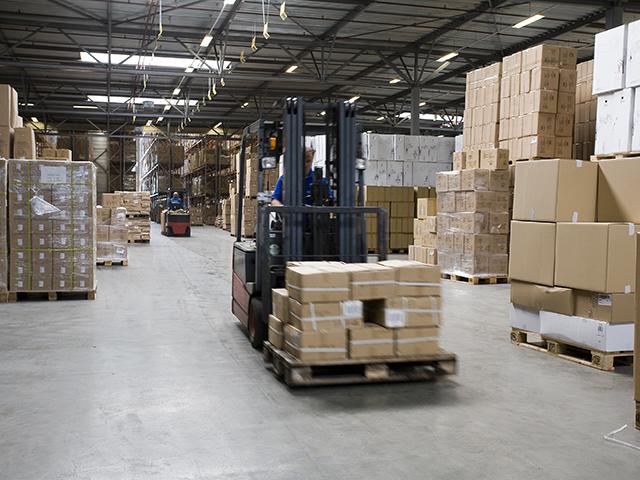
Forklift operating on an industrial warehouse floor

How to Choose Industrial Flooring for Heavy Forklift Traffic

Forklift traffic places much greater demands on industrial flooring systems than ordinary foot traffic or light material handling. Repeated wheel loads, concentrated contact pressure, turning, braking, impacts, and high traffic frequency can gradually wear down a flooring system—especially when the floor was specified without considering the actual forklift operating conditions. A floor that performs well

How to Choose Industrial Flooring for Heavy Forklift Traffic Read More »

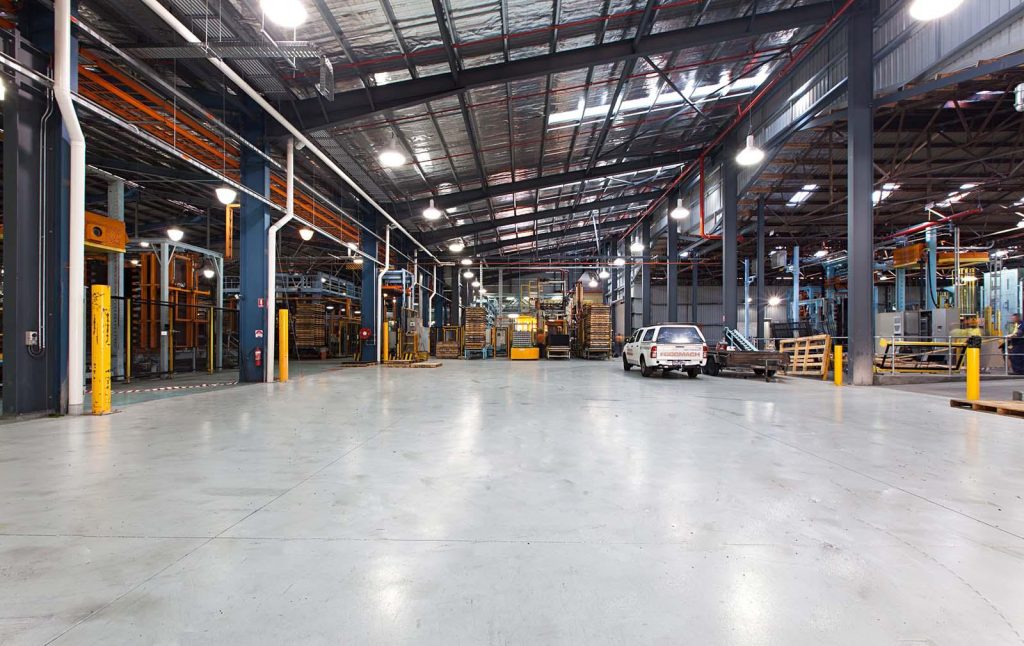
Industrial warehouse floor with forklift and concrete flooring

How to Calculate Industrial Floor Load Requirements

A factory floor can look perfectly sound when a facility first opens, yet develop cracks, settlement, joint damage, excessive deflection, or coating failure after months of heavy machinery, racking, forklifts, and repeated traffic. In many cases, the problem is not simply the floor coating. The underlying concrete slab and supporting ground may not have been

How to Calculate Industrial Floor Load Requirements Read More »

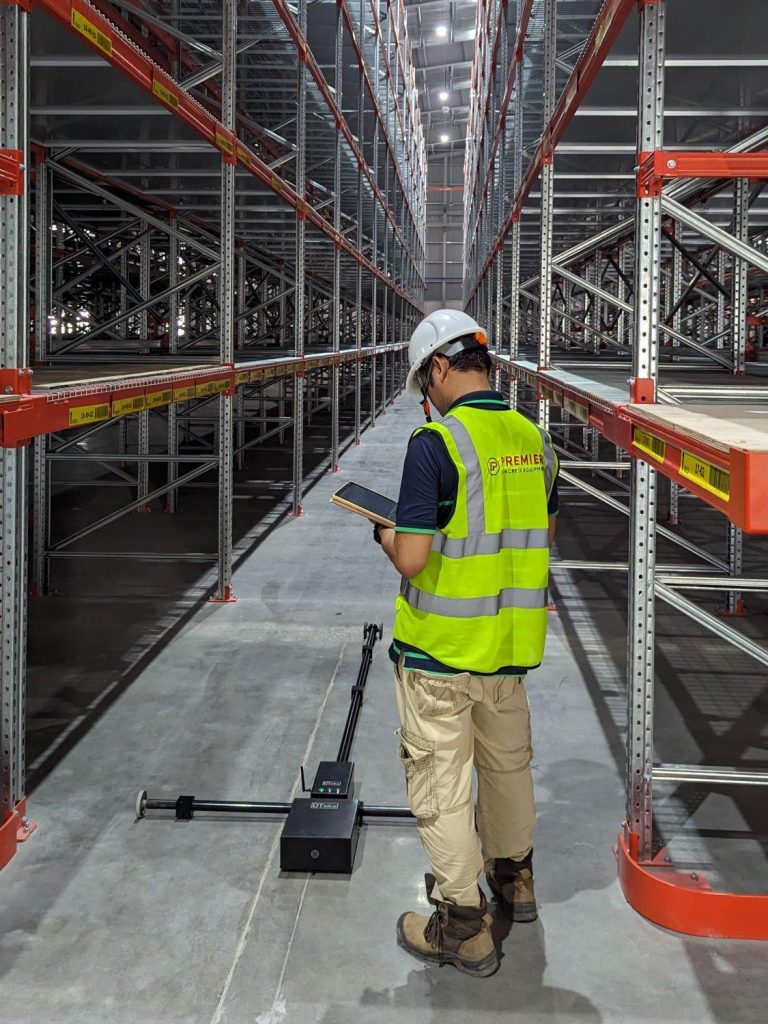
Industrial flooring site survey and concrete floor inspection in a factory

Industrial Flooring Site Survey Checklist: What to Check Before Installation

A flooring specification may look complete on paper, but the real condition of an industrial floor is only revealed when the concrete is inspected and tested on site. Moisture inside the slab, weak concrete, surface contamination, cracks, existing coatings, uneven areas, drainage problems, heavy machinery and restricted installation access can all affect the success of

Industrial Flooring Site Survey Checklist: What to Check Before Installation Read More »

Industrial flooring contractor inspecting factory floor before installation

12 Questions to Ask Before Choosing an Industrial Flooring Contractor

Choosing an industrial flooring contractor is about more than comparing the price per square foot. Two contractors can quote the same epoxy, PU or ESD flooring system and still deliver very different results. The difference may come from substrate assessment, surface preparation, coating thickness, application methods, quality control, project management and experience with the specific

12 Questions to Ask Before Choosing an Industrial Flooring Contractor Read More »

Engineer inspecting industrial flooring in a manufacturing facility

Industrial Flooring Specification Checklist: What Should You Include Before Hiring a Contractor?

A factory flooring project can look straightforward on paper: choose an epoxy or polyurethane system, specify the area, obtain quotations, and schedule installation. In practice, that’s rarely enough. A specification that simply says “provide durable industrial epoxy flooring” leaves important questions unanswered. What thickness is required? What chemicals will the floor encounter? How much forklift

Industrial Flooring Specification Checklist: What Should You Include Before Hiring a Contractor? Read More »

Industrial epoxy flooring in a manufacturing factory

Industrial Epoxy Flooring for Factories: How to Choose the Right System

Choosing an industrial floor for a new factory is not simply a matter of selecting an epoxy product and comparing the price per square foot. The correct flooring system depends on traffic, wheel loads, chemicals, temperature, hygiene, static-control requirements, substrate condition, cleaning methods and expected service life. A floor that performs well in an office

Industrial Epoxy Flooring for Factories: How to Choose the Right System Read More »

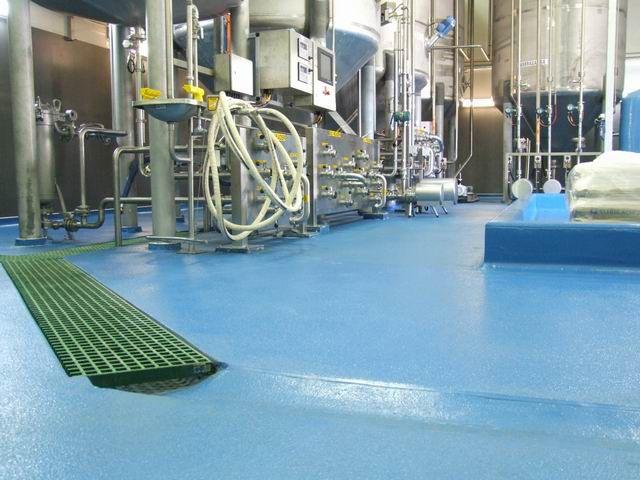
Chemical-resistant epoxy flooring in an industrial manufacturing facility.

Chemical Resistant Concrete Top Coats: Everything You Need to Know

Introduction Concrete has a reputation for being tough. We use it to build massive highway overpasses, towering skyscrapers, and heavy-duty factory floors. Because it feels like solid rock under our boots, it is easy to assume that a concrete slab can handle just about anything you spill on it. Unfortunately, that assumption costs facility managers

Chemical Resistant Concrete Top Coats: Everything You Need to Know Read More »